

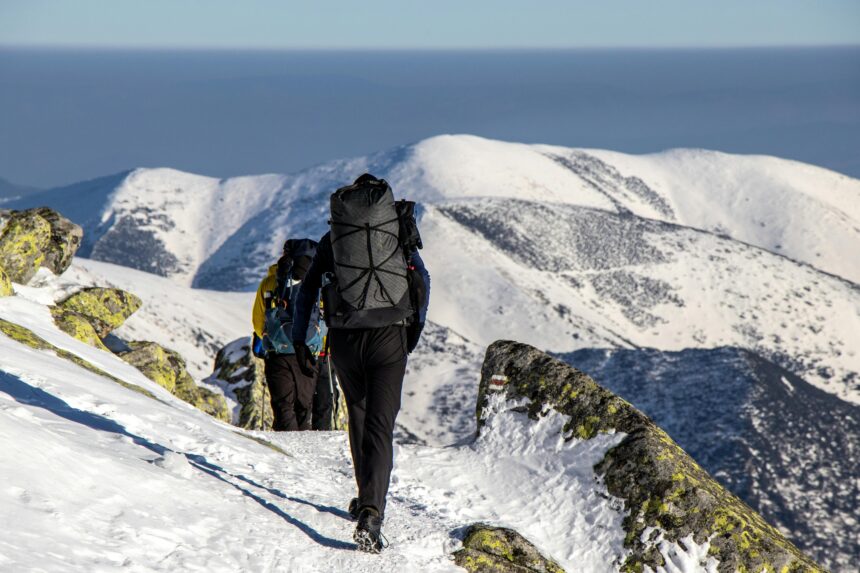
Winter hiking can be a magical experience in the United States. The snow-covered trails, quiet forests, and crisp cold air make every walk feel adventurous and refreshing. But hiking in winter also comes with unique risks that beginners must understand before heading out. Cold temperatures, icy trails, sudden weather changes, and reduced daylight hours can quickly turn a simple hike into a dangerous situation if you are not prepared.
This beginner-friendly guide explains the best winter hiking safety tips for US conditions. You will learn how to dress correctly, pack the right gear, understand winter weather, stay safe on slippery paths, and protect yourself from cold-related injuries. The aim is to help you enjoy the winter outdoors with confidence and stay safe while exploring snowy trails. If you want more helpful guides on safety, finance, and lifestyle, you can always visit the homepage of WhiteHat Finance (https://www.whitehatfinance.com/) for expert resources.
Understanding Winter Hiking Risks in the US
Winter in the United States varies greatly from one region to another. States like Colorado, Montana, Alaska, and Utah experience harsh winters with heavy snow, strong winds, and freezing temperatures. Meanwhile, states such as North Carolina, Tennessee, and Virginia may have milder winters, but still get icy trails and sudden weather shifts in the mountains. As a beginner, you need to pay attention to the conditions of the specific area you are hiking in.
One of the biggest risks during winter hikes is the sudden drop in temperature. You might start your hike feeling warm, but cold winds or shade can quickly make your body lose heat. This increases the chances of hypothermia, frostbite, and exhaustion. Another risk comes from icy or snow-covered trails, which make it harder to walk safely. Slipping or falling can cause serious injuries, especially when help is far away. Planning ahead and being prepared will help you avoid these risks.
Dress in Layers to Stay Warm and Comfortable
The most important winter hiking safety tip is to dress in layers. Layering allows you to add or remove clothing based on how your body feels and how the weather changes. In the US, temperatures can shift quickly in winter, especially in mountain regions, so layering gives you flexibility.

Start with a moisture-wicking base layer that keeps sweat away from your skin. When sweat stays on your body, you start feeling colder. A warm mid-layer such as fleece or wool helps maintain body heat. Finally, add an outer layer that protects you from wind, snow, and rain. This is usually a waterproof and windproof jacket.
Do not hike in cotton clothes during winter. Cotton absorbs sweat and stays wet for a long time, which can make your body lose heat faster. Instead, choose materials like polyester, wool, or synthetic blends that dry quickly and keep you warm. You can enjoy your hike much more when your body remains dry and warm throughout the journey.
Wear the Right Winter Footwear
Your feet play a big role in hiking safely. In winter, snow and ice make trails slippery, especially in places like the Rockies or Appalachian Mountains. Wearing the right footwear helps you stay stable and prevents falls. Choose insulated, waterproof hiking boots that support your ankles and keep your feet warm. Cold feet can lead to pain, numbness, and frostbite, so keeping them protected is essential.

Also, use traction aids like microspikes or crampons if the trail is known to be icy. These attachments fit over your boots and give you better grip on frozen surfaces. In many US national parks, rangers even recommend them during winter months. Beginners will feel more confident walking on snow when their boots have extra grip and support.
Prepare a Proper Winter Hiking Pack
Packing the right gear is extremely important for winter safety. Your hiking backpack should contain essentials that help you stay warm, safe, and prepared for emergencies. Some items you should always carry include water, snacks, a first-aid kit, and navigation tools like a map or GPS. In winter, also pack an emergency blanket, extra gloves, a hat, and hand warmers.
Since winter days are shorter, a headlamp or flashlight is necessary. You may start your hike in daylight, but it can get dark early, especially in northern US states. Having a headlamp ensures you can safely find your way back. Pack high-energy snacks like nuts, protein bars, or chocolates, as your body burns more calories in cold temperatures.
Beginners sometimes make the mistake of not packing enough water. Even in cold weather, your body needs hydration. When you breathe cold air, your body loses moisture faster. Carry warm water in an insulated bottle so it does not freeze while on the trail.
Check US Weather Conditions Before You Hike
Weather plays the biggest role in winter hiking safety. Before you leave home, always check the weather forecast for the specific trail you are visiting. Snowstorms, freezing winds, or sudden drops in temperature can make hiking unsafe. Websites like the National Weather Service (NWS) or local park authorities share accurate updates about winter weather.
Many US mountains also experience wind chill, which makes the temperature feel colder than it actually is. Even if the temperature shows 20°F, the wind might make it feel like 0°F. Beginners should avoid hiking during very low wind chill conditions. Cold winds can make your body lose heat much faster and lead to hypothermia.
If you see weather warnings such as blizzards, ice storms, or heavy snowfall, postpone your hike. There is no harm in waiting for a safer day. Nature will always be there for you to explore later.
Start with Short and Simple Trails
If you are a beginner, it is better to start with short, well-marked trails during winter. Avoid remote mountain routes or long backcountry paths until you gain more experience. National parks and local forests in the US often list beginner-friendly winter hiking trails. These trails are usually maintained, and many have clear signs and patrols.
Winter hiking can be physically demanding because walking on snow requires more energy. Your legs get tired quicker, and your body burns more calories to stay warm. Starting small helps you understand your limits and slowly build stamina for longer winter hikes.
Choose trails that remain open in winter and avoid closed routes. Park websites often update trail closures due to snow, ice, or dangerous conditions. Following these updates helps you plan safely.
Learn How to Walk Safely on Snow and Ice
Walking on snow is very different from walking on regular ground. The surface can be uneven, soft, or slippery. Take small steps and keep your weight slightly forward to stay balanced. Beginners often feel safer using trekking poles, especially when the path is icy. Poles help reduce pressure on your knees and give you more stability.
On icy trails, avoid stepping on shiny, hard surfaces. These are very slippery and can cause falls. Look for textured snow or crunchy ice, which offers better grip. When going downhill, bend your knees slightly and walk slowly to avoid sliding.
Even if the trail looks simple, always stay aware of your surroundings. Ice can form on bridges, wooden steps, and shaded areas. Taking your time and moving carefully will keep you safe.
Protect Yourself from Frostbite and Hypothermia
Two of the most common winter hiking risks are frostbite and hypothermia. Frostbite happens when your skin freezes, often on your fingers, toes, ears, and nose. Keeping these areas covered with gloves, warm socks, and hats helps protect you. If your skin starts feeling numb or hard, stop and warm up immediately.
Hypothermia occurs when your body temperature drops too low. Early signs include shivering, confusion, tiredness, and slow movements. If you feel any of these symptoms, it is important to warm up, add extra layers, eat something, and rest. Never ignore these warning signs because they can get dangerous very quickly.
Staying dry is the best way to prevent cold-related illnesses. If your clothes get wet from sweat or snow, change into dry layers as soon as possible.
Let Someone Know Before You Go
Whether hiking in Colorado, Oregon, or New Hampshire, always tell someone about your hiking plans. Share your trail name, start time, and expected return time. If something goes wrong, they will know when to check on you. Communication becomes harder in winter because phone batteries drain faster in cold weather. Keep your phone warm inside your pocket to avoid battery loss.
If you ever feel unsafe or the weather changes suddenly, turn back. Your safety should always be your top priority.
Final Tips for a Safe and Fun Winter Hike
Winter hiking in the US can be an unforgettable experience when done safely. Dress in warm layers, pack essential gear, check weather forecasts, and choose simple trails. Plan your trip carefully and protect yourself from cold-related dangers. With the right preparation, you can enjoy the beauty of winter landscapes while staying safe and comfortable. For more helpful guides and financial resources, feel free to visit WhiteHat Finance for trusted information.
FAQs
Is winter hiking safe for beginners?
Yes, winter hiking is safe when you plan properly, dress in warm layers, and choose easy trails. Beginners should avoid extreme weather and stick to short routes.
Do I need special gear for winter hiking?
You need warm clothes, waterproof boots, gloves, a hat, microspikes for icy trails, a headlamp, and a fully packed safety kit.
Can I hike alone during winter?
It is safer to hike with someone during winter. But if you go alone, always inform someone, stay on marked trails, and avoid risky weather.
How do I stay warm during winter hikes?
Wear layers, keep your hands and feet covered, eat warm snacks, and avoid staying still for too long.
What should I do if the weather gets worse while hiking?
Turn back immediately. Do not try to push forward in dangerous weather.