

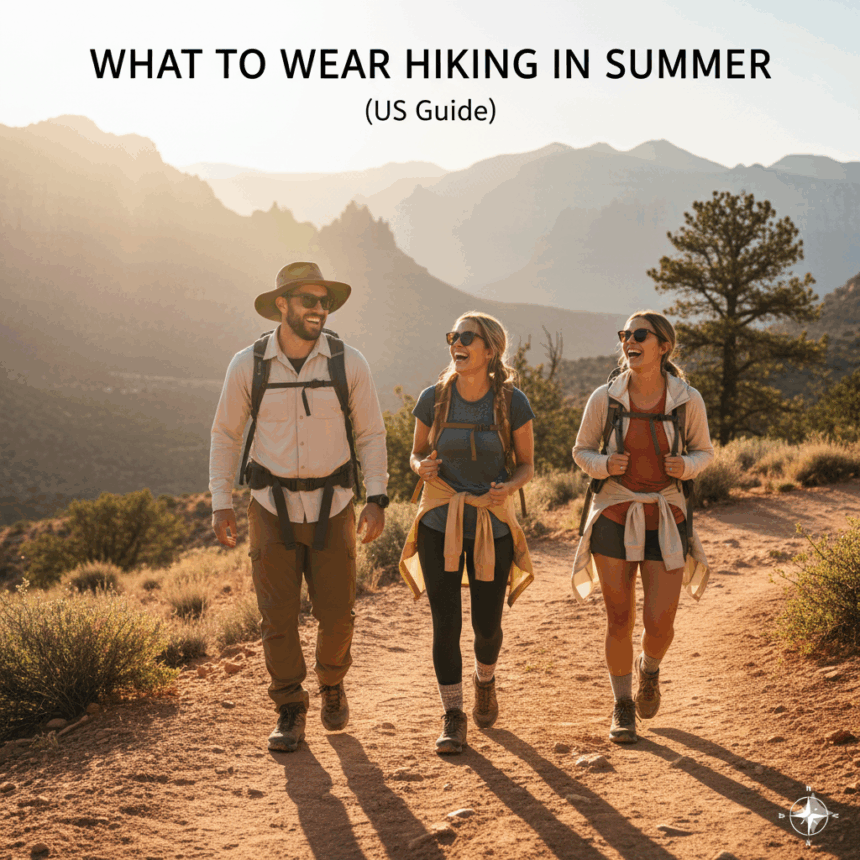
Hiking in summer is one of the best ways to enjoy the outdoors in the United States. The weather is warm, the trails are clear, and most national parks are open. But dressing for summer hikes is not as simple as wearing a T-shirt and shorts. The wrong clothes can lead to sunburn, overheating, dehydration, and fatigue. The right clothes, on the other hand, keep you cool, dry, comfortable, and protected.
This guide explains exactly what to wear hiking in summer in the US. Whether you are planning a short day hike, an easy beginner trail, or a weekend trip, this article will help you dress properly and stay safe. The tips in this guide are based on practical experience, safety recommendations, and comfort needs. If you are completely new to hiking, you may also find our beginner guides on TrekkingCafe.com helpful.
Let’s explore what you should wear from head to toe.
Why Summer Hiking Clothes Matter
Summer hiking may seem simple because the temperatures are warm, but the challenges are very real. The US has different climates across states. Summer in Arizona is very different from summer in Colorado or Washington. Hot weather causes your body to sweat more, your skin gets exposed to strong sunlight, and you tire more easily.
The right clothing helps regulate body temperature by allowing sweat to evaporate quickly. It protects your skin from UV rays, sharp shrubs, bug bites, and rough surfaces. Proper clothing also prevents discomfort like chafing, overheating, and dehydration.
Once you understand the basics, dressing correctly becomes easy.
Choose Light, Breathable, Quick-Drying Fabrics
The most important rule for summer hiking is choosing breathable, moisture-wicking fabrics. Cotton is not ideal because it absorbs sweat, stays wet for long, and makes you feel heavy. This can lead to skin irritation and discomfort, especially on long hikes.
Synthetic fabrics like polyester and nylon work well because they dry fast. Merino wool is another excellent option, even in summer. It is soft, lightweight, and naturally absorbs sweat without smelling bad.
Quick-drying fabrics help your sweat evaporate, which cools your body naturally. In hot and humid regions like Florida or the Carolinas, this is extremely important. On dry, sunny trails like Utah and Nevada, lightweight fabrics prevent overheating.
The Best Shirts to Wear for Summer Hiking
The top you choose plays a big role in comfort. For summer hikes, it is better to wear a lightweight, breathable shirt rather than a thick cotton T-shirt.
Short-sleeve moisture-wicking shirts work great for warm climates. These shirts pull sweat away from your skin and dry quickly. They feel light, soft, and comfortable even when temperatures rise.
If you are hiking in high sun exposure regions like Arizona, Texas, or Southern California, consider long-sleeve sun shirts. These shirts are very thin, lightweight, and designed to protect your skin from UV rays without making you feel hot. They are especially useful when hiking at higher altitudes.
Many hikers prefer shirts with UPF 30 or UPF 50 protection. These shirts block harmful UV radiation and reduce the chances of sunburn, even during mid-day hikes.
What Pants or Shorts to Wear
For many people, shorts feel more comfortable during warm weather. But both pants and shorts have advantages, depending on where you are hiking.
More Read
If you are hiking in open, sunny areas, shorts are great because they allow maximum airflow. Choose lightweight, quick-drying hiking shorts. Make sure they fit well and do not cause rubbing around the thighs.
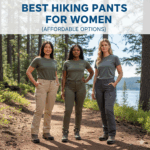
If you are hiking in forest trails, areas with bugs, or places with thick shrubs, hiking pants may be a better choice. They protect your legs from scratches, ticks, poison ivy, and mosquitoes. Many summer hiking pants are thin, stretchy, and breathable, making them a comfortable option even in warm weather.
Convertible pants, which can turn into shorts, are also convenient for unpredictable weather. If you start your hike early in the morning when it is cool and the temperature rises later, this gives you flexibility.
Choosing the Right Footwear for Summer Hiking
Your shoes are the most important part of your gear because your feet do most of the work. The wrong shoes can lead to blisters, slippery steps, and discomfort.
Trail running shoes are very popular for summer hikes in the US. They are lightweight, breathable, and comfortable for easy to moderate trails. They offer good grip and dry faster than traditional hiking boots.
Hiking shoes are a great choice if you want something sturdier but not too heavy. They usually have better ankle support, better grip, and more protection from rocks.
Hiking boots are best for rough, rocky, or steep trails. But many people prefer lighter footwear in summer to reduce heat and fatigue.
Whichever option you choose, make sure it fits well, has good grip, and allows airflow. Wearing moisture-wicking socks also prevents blisters, especially when your feet sweat during long hikes.
Do You Need a Hat for Summer Hiking?
A hat is one of the most important items for hiking in summer. The sun can be very strong during mid-day, and direct exposure can cause headaches, dehydration, and sunburn.
A wide-brim hat gives the best protection because it covers your face, neck, and ears. This is useful in open trails like deserts, meadows, coastal regions, and high-elevation paths.
Baseball caps are fine for partial shade trails like those in Oregon, Washington, or the Smoky Mountains. But remember that your neck still stays exposed, so using sunscreen is necessary.
No matter which hat you choose, make sure it fits well and is made of breathable material.
Should You Wear Sunglasses?
UV rays are stronger during summer, and your eyes need protection too. Sunglasses with UV protection help prevent eye strain, headaches, and dryness. They also improve visibility on bright trails and near water surfaces.
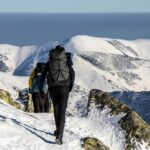
If you are hiking in snowy areas or high mountains during summer, sunglasses are even more important. Snow reflects sunlight and increases the amount of UV exposure.
Choose lightweight sunglasses that stay in place and do not slip when you sweat.
What Socks Are Best for Summer Hikes?
Socks are often underestimated, but they play a big role in comfort. Cotton socks keep sweat and moisture trapped, causing blisters.
Moisture-wicking hiking socks are the best choice for summer hikes. They reduce friction, absorb sweat, and keep your feet cool. Merino wool socks are great even in warm weather because they regulate temperature and prevent odors.
Choose socks with a snug fit around your arch to reduce rubbing. If your feet sweat a lot, carry an extra pair in your backpack.
Extra Layers You May Need
Even during summer, some trails in the US may feel cooler. Early mornings in mountain areas like Colorado, Montana, or the Pacific Northwest can be chilly. A lightweight jacket or thin fleece is useful for such conditions.
A packable windbreaker can also help when you reach higher elevations. The wind becomes stronger as you climb, and having a thin outer layer makes you feel more comfortable.
This jacket should be breathable and easy to carry. You can fold it into your bag if the temperature rises.
Why Sunscreen Matters
Sunscreen is not exactly clothing, but it is an important part of summer hiking safety. Sunburn happens quickly during summer, especially in open areas and at higher elevations.
A broad-spectrum sunscreen with SPF 30 or SPF 50 works well. Make sure to apply it to your face, neck, arms, and legs. Reapply every few hours if you sweat a lot or if your skin feels warm.
Using sunscreen reduces the chances of sun damage and helps you stay comfortable throughout your hike.
What Backpack Should You Use in Summer?
A lightweight daypack is perfect for summer hiking. Choose one with breathable straps so your back does not feel too hot. Some backpacks have mesh padding, which allows better airflow.
Your backpack should have enough space for water, snacks, sunscreen, and a small first-aid kit. If you plan longer hikes, choose a pack with a hydration reservoir. Drinking water regularly is important when temperatures rise.
If you need help choosing gear, TrekkingCafe.com has guides that explain the best US hiking equipment for beginners.
If you want more guides, tips, and expert suggestions on hiking gear and US trails, explore TrekkingCafe.com for helpful resources. Whether you are a beginner or an experienced hiker, our guides help you stay safe and enjoy your journey.
FAQs
What type of fabric is best for summer hiking?
Moisture-wicking fabrics like nylon, polyester, and merino wool work best. They dry quickly and keep your body cool.
Should I wear long sleeves for summer hiking?
Yes, long sleeves are useful when hiking in strong sunlight or at higher elevations. Lightweight long-sleeve sun shirts with UPF protection are great for summer.
Can I hike in jeans during summer?
Jeans are not recommended because they are heavy, hold moisture, and do not allow airflow. Choose lightweight hiking pants or shorts instead.
Are trail running shoes good for summer hikes?
Yes, trail running shoes are very popular for summer hiking because they are light, breathable, and comfortable on most trails.
How much water should I carry for a summer hike?
Carry at least one liter of water for short hikes and more for longer trails. In hot and dry areas, you may need even more.