

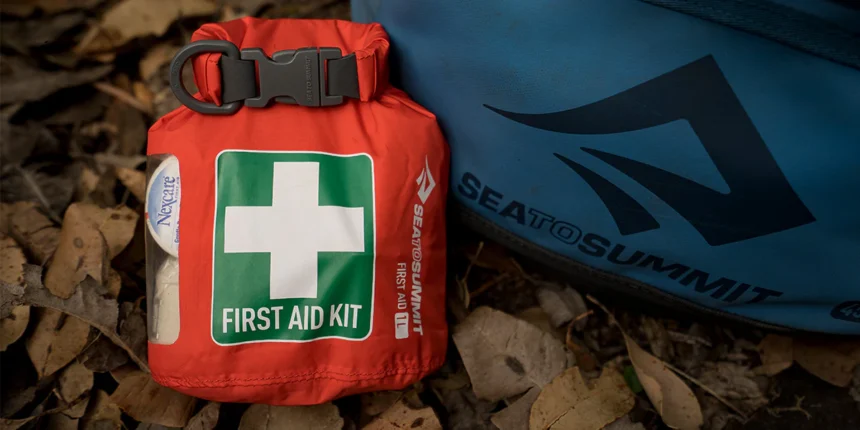
When you go hiking, one of the most important things you should carry is a first aid kit. Many beginners forget this because they assume nothing bad will happen on a short trail. But small injuries like cuts, bug bites, blisters, or muscle pain can happen anytime. A well-packed hiking first aid kit gives you confidence, protects your health, and prepares you for unexpected situations.
In this beginner-friendly guide, you will learn exactly what to pack in a hiking first aid kit, why each item matters, and how to customise it based on your needs. This guide is designed to help you stay safe on the trail and enjoy your adventure without stress.
If you love helpful, simple guides like this, make sure to explore more hiking and outdoor safety resources on WhiteHatFinance.com, where we publish practical guides that make your life easier and safer outdoors.
Why a Hiking First Aid Kit Is Important
A hiking trail may look calm and beautiful, but many small risks can appear while you walk. Sharp stones, fallen branches, uneven paths, and sudden weather changes can cause minor injuries. You may not have access to a doctor or pharmacy nearby, especially if you’re deep in the woods.
A personal first aid kit ensures that you can manage small problems on your own. Treating minor issues quickly also prevents bigger problems later. What may start as a tiny blister can turn into a painful, swollen foot if left untreated. A cut can become infected if you don’t clean it early. This is why hikers always say, “Don’t hit the trail without a first aid kit.”
Basic Principles of Packing a Hiking First Aid Kit
Before you start adding items into your kit, keep a few simple principles in mind. A good kit should be light, easy to carry, and well-organised. You don’t need a huge box full of items you may never use. Instead, focus on essentials.
Your kit should be stored in a waterproof pouch so that rain or accidental water spills don’t damage your supplies. It should also be easy to open and close so you can grab things quickly when needed. Labeling or organising items into small sections helps you find things faster in emergencies.
The goal is simple: carry only what you need, but make sure everything you pack can actually help if something goes wrong.
Bandages and Wound Care Essentials
Almost every hiker experiences small cuts or scrapes. Sometimes you brush against a rock, or a tree branch scratches your arm. Even tiny wounds can become painful or infected if not cleaned properly. This is why bandages and wound care items are important.
You should carry adhesive bandages of different sizes for small cuts. Gauze pads are also useful for bigger wounds because they absorb blood and protect the area from dirt. Medical tape helps secure the gauze in place. An antiseptic wipe is something you should never skip. It kills germs and keeps infections away.
You may also want to include liquid bandage, which is great for sealing small cuts quickly. Hydrogen peroxide or saline solution can help clean wounds if they are dusty or muddy.
Blister Care Items for Foot Protection
Blisters are one of the most common hiking problems. When your shoes rub against your skin, they create friction. This friction forms a painful bubble that can make walking very hard. Treating blisters early helps you continue your hike without discomfort.
Your kit should have moleskin, which is soft padding that prevents further rubbing. Blister-specific bandages also work very well because they create a cushioned layer that protects the skin. You should carry alcohol wipes to clean the area before applying the bandage. Some hikers also bring blister prevention tape, which reduces friction on the heel and toes.
A small pair of scissors can help you cut moleskin into the right shape. These items take almost no space in your kit but can save your entire hike from becoming painful.
Pain Relief and Medication
A long day of hiking may cause muscle pain, headaches, cramps, or mild swelling. Carrying a few basic over-the-counter pain relievers can make a big difference. Medicines like ibuprofen or acetaminophen reduce pain and inflammation. Antihistamines also help if you develop an allergic reaction to plants or insect bites.
If you have any personal medical conditions, such as asthma or seasonal allergies, you should include your personal medication as well. It’s better to carry a little extra than to face a problem on the trail without help.
Some hikers also pack oral rehydration salts. These help maintain electrolyte balance, especially during hot weather hikes. Staying hydrated and maintaining your body’s minerals reduces the risk of cramps and exhaustion.
Insect and Sun Protection Supplies
Nature is beautiful but full of tiny creatures like mosquitoes, ticks, and bees. Bug bites can be irritating, painful, or cause swelling. A small insect repellent stick or spray is very useful on the trail. Hydrocortisone cream soothes itchiness from bites.
You should also carry sunscreen because sunburn can happen even on cloudy days. Choose a small travel-sized sunscreen tube so your kit stays lightweight. Lip balm with SPF is helpful too because your lips can burn easily while hiking.
These small additions protect your skin and keep you comfortable throughout your trip.
Tools and Small Accessories You Should Include
A few simple tools can make your first aid kit complete. A pair of tweezers helps remove splinters or ticks. Tiny scissors are helpful for cutting bandages, tape, or moleskin. Safety pins can secure gear or fabric if something tears.
A small roll of duct tape is surprisingly useful. You can use it to fix gear, secure loose clothing, and even provide temporary support for weak joints. Many hikers also carry a whistle. If you ever get lost or need help, a whistle can reach much farther than your voice.
A tiny flashlight or headlamp is great to keep in your kit because you may need light during an emergency. It also helps if it gets dark faster than expected.
Emergency Items to Add for Extra Safety
For longer hikes, consider adding a few lightweight emergency items. A compact emergency blanket keeps you warm if you have to stop moving or wait for help. A small instant cold pack reduces swelling from injuries or sprains.
Including a few adhesive butterfly strips helps hold deep cuts together until you get proper medical help. Some hikers also carry a small CPR face shield. It is very light and provides safe conditions if you ever have to help someone in distress.
A basic first aid manual is useful for beginners who may forget what to do in certain situations.
How to Organise and Personalise Your Hiking First Aid Kit
Everyone’s needs are different, so your kit should match your health, your trail difficulty, and weather conditions. If you’re hiking in cold weather, add lip balm, hand warmers, and extra gauze. For hot weather, pack electrolyte tablets and sunscreen. If you have sensitive skin, carry extra creams to reduce irritation.
Organise your kit in small zip bags or compartments. Put wound care together, blister care together, and medications together. This saves time when you need something quickly. Check your kit every few months, replace expired items, and restock anything you used on previous hikes.
Making your kit personal ensures you are always prepared for any situation.
Internal Link and CTA
For more helpful outdoor and financial safety guides, visit WhiteHatFinance.com, where we regularly publish simple, clear, and beginner-friendly articles that help you stay safe, healthy, and financially confident in everyday life.
FAQs
How heavy should a hiking first aid kit be?
A beginner kit should be light and easy to carry, usually around 150–250 grams. Focus on essential items only.
Do I need a first aid kit for short hikes?
Yes. Even short hikes can cause blisters, small cuts, or insect bites. A small kit gives you quick relief.
Can I buy a ready-made kit instead of building one?
Yes, but customising your kit is better. Most ready-made kits include items you may not need and miss items you personally require.
How often should I update my first aid kit?
Check your kit before every hike. Replace expired medicines and restock items you used earlier.