

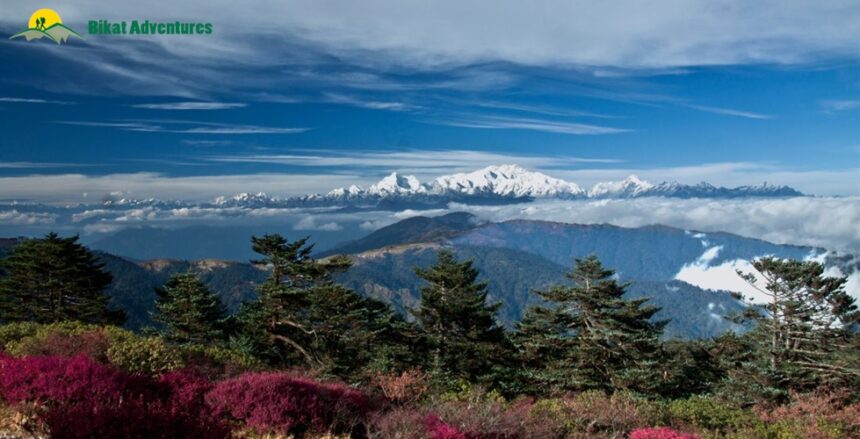
The Sandakphu Trek is one of the most beautiful Himalayan treks in India, known for its stunning views of the world’s highest peaks—Mount Everest, Kanchenjunga, Lhotse and Makalu. Often called the “Trekkers’ Wonderland,” this trail is perfect for beginners as well as experienced trekkers who want a safe, scenic and rewarding adventure. In this guide, you will find everything you need to plan the complete Sandakphu Trek, including the route, permit information, stay options, weather, packing tips and safety guidelines.
If you love travel and adventure, you can also explore helpful finance and lifestyle guides on whitehatfinance.com to plan your trips smartly and manage your money better.
What Makes Sandakphu a Famous Trek
Sandakphu stands at about 11,930 feet and is the highest point in West Bengal. What makes this trek truly special is the unique view of the Sleeping Buddha range where the peaks of Kanchenjunga line up to form a beautiful silhouette. You also get a clear look at four of the five tallest mountains in the world. The trek passes through charming villages, dense forests, open meadows, and scenic ridges. Because the trail runs along the India–Nepal border, you can see the culture of both countries as you walk.
The trek is not very steep compared to other Himalayan treks, which makes it a good choice for beginners. The route is well-marked, villages are close by, and food and stay options are easily available.
Best Time to Do the Sandakphu Trek
The best months for the Sandakphu Trek are:

Spring Season (March to May)
This is one of the most colourful times to visit the trek. The forests are covered with blooming rhododendrons and magnolia flowers. The temperature stays pleasant during the day and drops slightly at night. This season offers clear mountain views on most days.
Autumn Season (October to December)
If you want sharp and crystal-clear views of Mount Everest and Kanchenjunga, this is the best season. The skies remain clear, and the landscapes are dry and golden. In November and December, you might also experience mild snowfall near Sandakphu and Phalut.
Winter Season (January and February)
The trail becomes snowy and challenging. It is suitable only for experienced trekkers. Views are beautiful, but temperatures drop below freezing.
Monsoon Season (June to September)
Not recommended due to slippery trails, leeches and frequent rainfall.
How to Reach the Starting Point of the Sandakphu Trek
Most treks start from Manebhanjan, a small town near Darjeeling. You can reach Manebhanjan by road from:
- Siliguri (about 3.5 hours)
- NJP Railway Station (around 4 hours)
- Bagdogra Airport (about 4 hours)
From Manebhanjan, you begin the trek or take a Land Rover up to some of the villages along the route if you want a shorter trek.
Complete Sandakphu Trek Route
The trek usually takes 5 to 7 days depending on your pace.
Manebhanjan to Chitrey (5 km)
The trail climbs steeply through forests and small villages. Chitrey has a beautiful monastery and peaceful views.
Chitrey to Tumling (9 km)
This stretch is gentle and crosses villages like Lamaydhura and Meghma. Tumling offers your first clear view of the Sleeping Buddha.
Tumling to Kalapokhri (12 km)
You enter Singalila National Park here. The trail is scenic with views of hills, valleys and alpine forests. Kalapokhri is known for its black lake, which remains unfrozen even in winter.
Kalapokhri to Sandakphu (6 km)
This is the steepest part of the trek but also the most rewarding. As you reach Sandakphu, you get a 180-degree view of the world’s highest mountains stretching across the horizon.
Sandakphu to Phalut (21 km)
This stretch is long but very beautiful. Meadows and ridges make it one of the best Himalayan walks. Phalut gives an even closer view of Kanchenjunga.
Phalut to Gorkhey (15 km)
You descend into a beautiful valley filled with forests and a lovely river. Gorkhey is a peaceful village perfect for relaxation.
Gorkhey to Srikhola (6 km)
The trail becomes easy and ends at Srikhola, a riverside village where most trekkers stay before heading back to Darjeeling or Siliguri.
Permits Required for the Sandakphu Trek
You need a permit to enter Singalila National Park. This permit can be taken at:
- Manebhanjan Forest Checkpost
- Singalila National Park Gate near Tumling
Foreign nationals must carry their passport. Indian trekkers should keep a government ID handy. If you choose to hire a guide, they help you complete the permit process quickly.
Stay Options on the Sandakphu Trek
There are different types of stay options available along the route including trekkers’ huts, homestays and shared lodges. The villages where you can stay are:
Chitrey
Basic homestays with local food.
Tumling
Homestays and lodges on both India and Nepal sides. Views are excellent.
Kalapokhri
Clean and comfortable lodges. Warm rooms in winter.
Sandakphu
Trekkers’ huts and lodges with dining halls. Nights can be very cold even in autumn.
Phalut
Limited stay options. Mostly basic trekkers’ huts.
Gorkhey and Srikhola
Homestays with riverside views and good food.
It is better to book your stay in advance during peak season months like April, May, October and November.
Food and Water Availability
Most homestays offer simple but tasty food like rice, lentils, vegetables, noodles, eggs and tea. You can get filtered water at most villages, but carrying a reusable water bottle and purification tablets is always safer.
Fitness Level Needed
The Sandakphu Trek is considered easy to moderate. You should be able to walk 8–12 km daily. Basic walking, jogging and stretching for at least 2–3 weeks before the trek can help you enjoy the journey comfortably.
Packing List for the Sandakphu Trek
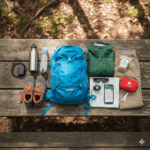
You don’t need very technical gear, but these items are important:
Warm Clothing
Nights are cold, especially near Sandakphu and Phalut. Carry thermals, fleece jackets and a windproof outer layer.
Comfortable Trekking Shoes
Your shoes should have good grip for uneven trails.
Backpack
A 40-litre backpack is enough for most trekkers.
Rain Protection
Even in summer, weather can change quickly. Carry a poncho or light rain jacket.
Water Bottle and Snacks
Energy bars or dry fruits help keep you active.
Personal Medicines and First Aid
Basic medicines like pain relievers and bandages are useful.
Safety Tips for the Sandakphu Trek
Always start early each day. Weather is clearer in the morning and trails are safer. Stay hydrated, especially during steep climbs. If you feel breathless or dizzy, take small breaks. Do not litter the trail. The region is sensitive and home to many animals like red pandas and Himalayan birds. Respect local culture and stay on marked paths.
If you want more beginner-friendly guides and financial tips to plan your travel budget, feel free to explore whitehatfinance.com for helpful posts and advice.
FAQs
Is Sandakphu Trek suitable for beginners?
Yes, it is one of the best Himalayan treks for first-timers because the trail is well-marked, villages are close by and stay options are easily available.
How many days do you need for the Sandakphu Trek?
Most trekkers complete it in 5 to 7 days depending on their pace and weather conditions.
Do I need a guide for the trek?
A guide is not mandatory but is recommended for safety and easy navigation, especially during winter.
Is mobile network available?
You may get signal at some points like Tumling and Sandakphu, but network is weak in many places.
What is the highest point of the trek?
Sandakphu peak at 11,930 feet is the highest point.