

Day hikes are one of the easiest and most enjoyable ways to explore nature without carrying heavy backpacks or overnight gear. But even a short hike needs proper preparation. Carrying the right lightweight gear keeps you safe, comfortable, and ready for changing weather. Many beginners either pack too much or forget essentials, which can affect the hiking experience.
In this guide, you will find a complete lightweight gear checklist for day hikes. The items are simple, practical, and easy to carry. Whether you are hiking in a national park, local trail, or planning your first adventure, this article will help you pack smart, stay safe, and enjoy your hike without unnecessary weight. For more hiking tips and guides, you can also explore TrekkingCafe.com.
Why Lightweight Gear Matters on Day Hikes
Carrying light gear has become a major trend among hikers. A lighter backpack helps you walk faster, use less energy, and avoid back or shoulder pain. Heavy bags can slow you down, especially on long or steep trails. Lightweight gear also makes hiking more enjoyable because you move freely without feeling tired too early.
Lightweight doesn’t mean packing less. It means choosing compact, efficient, and multi-purpose items. Smart packing helps you stay prepared without overloading your backpack.
Choosing the Right Daypack for Hiking
Your daypack is the most important item on a day hike. A comfortable and lightweight backpack makes a big difference. For most hikers, a 15–25 litre backpack is enough for water, snacks, a jacket, and small essentials.
When choosing a daypack, look for padded shoulder straps, a breathable back panel, and pockets for better organisation. Many backpacks also have a hydration bladder compartment, which is helpful for long hikes.
If you want more buying tips, you can check other gear articles on TrekkingCafe.com in the Gear & Equipment category.
Water and Hydration Essentials
Staying hydrated is the most important part of any hike. Even short hikes can make you sweat more than expected. For most day hikes, carry at least one to two litres of water. You can use a reusable water bottle or a hydration bladder. A hydration bladder allows you to sip water without stopping, which is helpful on tough trails.
Some hikers also carry water purification tablets or a small water filter in case they need to refill water from natural sources. These items are small and add almost no weight.
Lightweight Snacks and Energy Food
Food gives you energy to keep moving. But instead of carrying heavy meals, choose lightweight snacks that give quick energy. Many hikers prefer trail mix, energy bars, nuts, dried fruits, or peanut butter sandwiches. These are easy to pack and do not take much space.
Avoid food that melts easily or requires cooking. For most day hikes, small snacks every hour can help you stay active and refreshed.
Clothing and Layering for Day Hikes
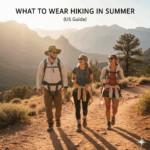
Weather can change fast, especially in mountains and forests. Layering helps you stay warm, cool, or dry when conditions change. Lightweight clothing is always the best choice for day hikes.
Wear moisture-wicking clothes that dry quickly and keep sweat away from your skin. Carry a lightweight jacket or windbreaker in case of cold winds. If rain is expected, pack a compact rain jacket that fits easily inside your daypack.
A hat, sunglasses, and sunscreen protect you from sun exposure. Even on cloudy days, UV rays can be strong, so these items should always be part of your checklist.
More Read

Footwear for Comfortable Hiking
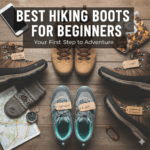
Good footwear is the foundation of a safe hike. You don’t need heavy boots for every trail, especially on easy or moderate day hikes. Lightweight hiking shoes or trail running shoes are perfect because they provide comfort, grip, and flexibility.
Make sure to wear socks that prevent blisters and keep your feet dry. Many hikers prefer synthetic or wool socks instead of cotton, as they reduce friction and dry faster.
Navigation Tools for Safe Hiking
Even on popular trails, it’s important to carry simple navigation tools. A lightweight map or downloaded offline map can guide you when mobile signals are weak. Apps like AllTrails or Google Maps offline mode work well, but always keep a backup.
A small compass adds almost no weight and is useful if you lose your way. If you are new to hiking, learning basic map reading skills helps you feel more confident on the trail.
First-Aid Kit and Safety Items
A mini first-aid kit is essential on every hike. You don’t need a large medical kit. A small pouch with adhesive bandages, antiseptic wipes, blister care, pain relievers, and tweezers is enough for most day hikes.
Other lightweight safety items include a whistle, a multi-tool, and a small emergency blanket. These items take very little space but can be extremely important during unexpected situations. Safety should always be a priority, no matter the distance of your hike.
Sun Protection and Skin Care Essentials
Sun protection is often ignored by beginners, but it is one of the most important items on your checklist. Carry sunscreen with at least SPF 30, lip balm with SPF, and sunglasses. Extended exposure to sunlight can cause dehydration and skin damage. A small amount of sunscreen can last an entire day hike and adds almost no weight.
Lightweight Emergency Items
Even on short hikes, it’s wise to be prepared for emergencies. A small flashlight or headlamp is helpful if you return late. Many hikers also carry a backup battery or small power bank for their phone.
A compact multi-tool, safety whistle, and waterproof matches are lightweight but extremely useful. These are simple additions that give extra safety without making your backpack heavy.
Packing Tips to Keep Your Gear Lightweight
Packing smartly helps you carry everything you need without adding unnecessary weight. Keep heavier items like water near your back and lighter items at the top. Use small packing cubes or pouches to organise things so you don’t need to search your backpack repeatedly.
Only carry what you will use. Many beginners pack extra items “just in case,” which increases weight. Make a simple checklist before every hike and stick to it. Over time, you will learn what works best for your hiking style.
Final Lightweight Day Hike Checklist
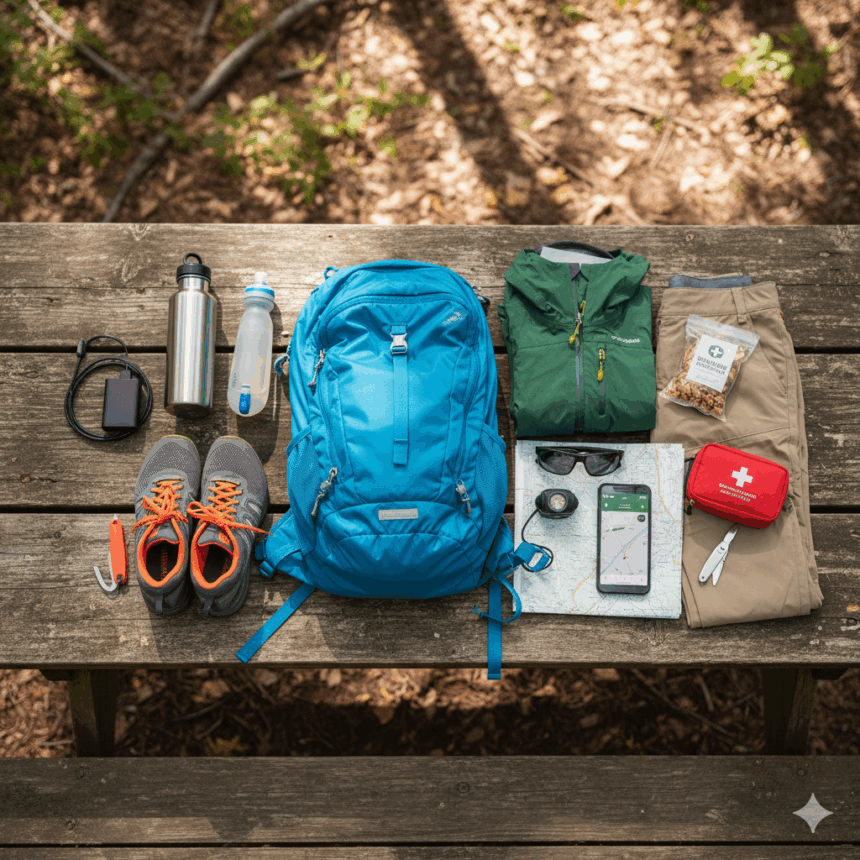
Here is a simple summary of the important items for your day hike: a lightweight backpack, one to two litres of water, quick snacks, layered clothing, comfortable footwear, navigation tools, a mini first-aid kit, sun protection, and small emergency items. These essentials help you stay prepared, safe, and comfortable on every trail.
If you want more guides, trail recommendations, and gear tips, explore more articles on TrekkingCafe.com. Our website helps beginners and hikers stay informed, safe, and well-prepared for their adventures.
FAQs
What is the ideal backpack size for a day hike?
A 15–25 litre backpack is usually enough for water, snacks, light clothing, and essential items.
How much water should I carry on a day hike?
Carry at least one to two litres of water. For hot weather, take more or use a hydration bladder.
Do I need hiking boots for a short day hike?
Not always. Lightweight hiking shoes or trail running shoes work well for most easy to moderate trails.
Should I carry a first-aid kit on a day hike?
Yes, even a small kit with basic medical supplies is important for safety.
How do I keep my backpack lightweight?
Carry only essentials, use compact gear, and avoid unnecessary items that add weight.