

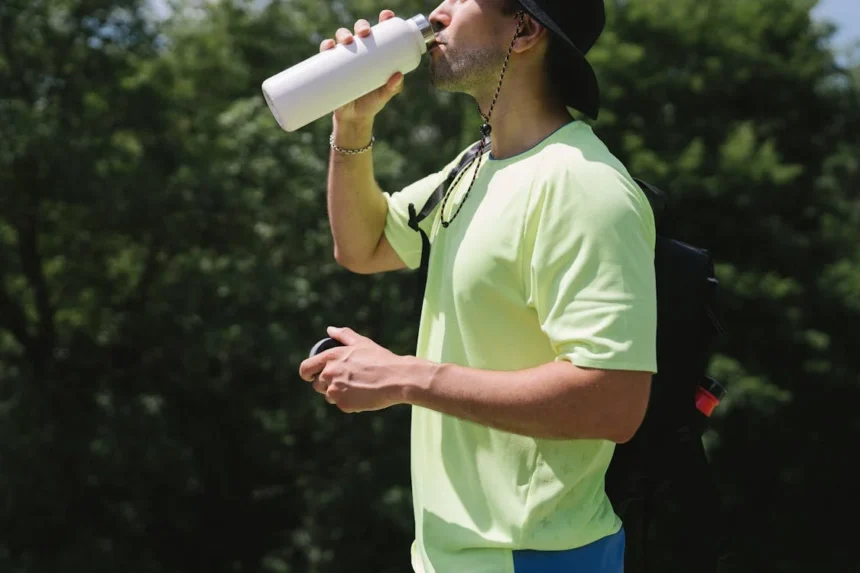
Staying hydrated while hiking in hot weather is one of the most important things every hiker must understand. When you walk under the sun, your body loses water much faster than normal. If you don’t replace it with enough fluids, you may start feeling dizzy, tired, or even sick. In extreme situations, dehydration can even turn into a dangerous medical emergency. This is why learning how to stay hydrated during a summer hike is not just useful, but an essential hiking skill everyone must know. Whether you are a beginner or an experienced hiker, drinking water the right way can help you stay safe, energetic, and comfortable on the trail.
Hot weather hikes increase sweat production because the body tries to cool itself down. When this happens, the levels of water and electrolytes drop, causing dehydration. Many hikers think drinking water only when they feel thirsty is enough, but this is not true. By the time you feel thirsty, your body has already lost more water than it should. So, planning your hydration before, during, and after the hike is the best way to protect yourself.
If you are someone who loves outdoor walking, trekking, or long-distance hiking, this guide will help you understand all the simple but powerful hydration methods you need. These tips are easy to follow, work for all hikers, and can make a big difference in your energy levels throughout the day.
For more helpful beginner-friendly guides, feel free to explore White Hat Finance at whitehatfinance.com, where we share useful tips that help improve your outdoor, financial, and lifestyle decisions.
Why Hydration Matters During Hot Weather Hikes
Hydration plays a big role in keeping your body functioning smoothly when the temperature rises. When you sweat, your body loses water and minerals like sodium and potassium. These minerals help in muscle movement, nerve function, and maintaining body temperature. If they get too low, you may experience muscle cramps, headaches, tiredness, or nausea.
Many hikers underestimate how fast dehydration can happen. Even a one-hour hike under strong sunlight can cause you to lose more than half a litre of water. This loss becomes even greater if you carry a heavy backpack, walk uphill, or hike on a trail with no shade. Proper hydration keeps your heart rate stable, helps your body stay cool, and prevents heat exhaustion.
Drink Water Before You Start the Hike
One of the best hydration habits is to drink enough water before stepping onto the trail. This prevents early fatigue and helps your body manage heat better. Try drinking water slowly over one to two hours before your hike. If you drink too fast, your stomach may feel heavy. The goal is to start the hike already hydrated so your body doesn’t have to catch up later.
Some hikers also drink a small electrolyte drink before hiking, especially on very hot days. This boosts your body’s mineral levels and keeps you energized for longer.
Carry Enough Water for the Entire Hike
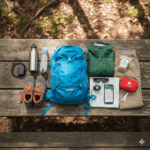
When hiking in hot weather, carrying enough water is very important. Many hikers carry only one small bottle and then struggle midway. You should always plan your water quantity based on the length of the hike, temperature, and difficulty level. A common rule is to carry at least half a litre of water for every hour of hiking. On hotter days, one litre per hour may be required.
Using a hydration bladder is a great option because it allows you to sip water without stopping. This helps you drink more regularly, which reduces dehydration. Bottles work well too, but many people forget to take them out often. So, choose whichever option matches your hiking style and makes you drink more frequently.
Sip Water Regularly Instead of Drinking Too Much at Once
Many hikers make the mistake of drinking a lot of water at one time and then waiting too long for the next sip. This can make your stomach feel bloated and still not hydrate you properly. The correct method is to drink small sips every 10 to 15 minutes. This keeps your body hydrated evenly and reduces the chances of dehydration.
Small but regular sips help your body absorb water better. This is even more important in hot weather because your body loses water constantly through sweat.
Add Electrolytes to Your Hydration Plan
Water alone is not always enough during long and hot hikes. When you sweat, your body loses salt and minerals, and drinking only water may cause an imbalance. This can make you feel tired or cause muscle cramps. Adding electrolytes to your water helps replace these essential minerals. Electrolytes can come from electrolyte tablets, sports drinks, or hydration powders.
If you want a light option, electrolyte tablets are easy to carry and add into your bottle anytime. You don’t need high-sugar drinks unless you are doing long-distance or very intense hiking. The goal is to keep the balance of water and minerals in your body stable so you can hike comfortably.
Eat Water-Rich Foods During the Hike
Food also plays a role in hydration. Water-rich snacks like oranges, watermelon cubes, cucumber slices, and grapes can help you stay refreshed. These snacks are light, healthy, and easy to digest during hikes.
Some hikers prefer energy bars or nuts, but pairing them with water-rich fruits helps keep you hydrated naturally. It also gives your body quick energy because fruits contain natural sugar and minerals.
Wear Light Clothing to Reduce Water Loss
What you wear also affects hydration. Dark or heavy clothes trap heat, making you sweat more and lose water faster. Light-coloured, breathable, and quick-dry clothes keep your body cooler and reduce sweat loss. A wide-brim hat protects your head from the sun, and sunglasses help reduce heat stress.
Proper clothing may not directly hydrate you, but it lowers the amount of water your body needs to stay cool, which helps you stay hydrated for longer.
Choose Shaded Trails When Possible
Whenever you hike in hot weather, try to choose trails with natural shade. Walking continuously under direct sunlight increases water loss. Forest trails, riverside trails, and mountain paths with tree cover help you stay cooler. If the trail has very little shade, try to hike early in the morning or late afternoon when the sun is not very strong.
Planning your hike based on shade and temperature makes a big difference in how much water you need.
Take Short Breaks to Cool Down
Short breaks every 30 to 45 minutes help your body manage heat better. Resting in shady spots lowers your heart rate and reduces how much you sweat. When your body cools down, hydration lasts longer. During these breaks, drink small sips of water and stretch your legs gently.
Avoid sitting directly in the sun because it increases heat exposure. A shaded rock, a tree, or even a cliff wall can provide enough cooling.
Know the Signs of Dehydration
Recognizing dehydration early is very important. Common signs include dry mouth, dark yellow urine, dizziness, headache, tiredness, and increased heart rate. If you feel these symptoms, stop walking immediately and drink water slowly. Find shade and rest for a few minutes. Never push through dehydration because it can lead to heat exhaustion or heat stroke.
If symptoms get worse, end your hike and return safely.
Hydrate After the Hike as Well
Many hikers forget to rehydrate after finishing their hike. Your body needs to recover from all the water and minerals you lost. Drinking water slowly for two to three hours after the hike helps your muscles relax and prevents headaches later. Adding electrolytes or drinking coconut water is a great recovery option.
If you want to learn more helpful outdoor and lifestyle tips, explore more guides at whitehatfinance.com, where we share practical articles to make your life better and easier.
Final Tips to Stay Hydrated While Hiking in Hot Weather
The key to staying hydrated is simple: drink regularly, carry enough water, replace your electrolytes, and choose smart hiking habits. When you prepare well before the hike and hydrate correctly during the walk, your body stays strong, your energy stays high, and you enjoy every moment on the trail. Hot weather hiking becomes much safer and more enjoyable when you follow these hydration habits.
Frequently Asked Questions
How much water should I carry for a hot weather hike?
You should carry at least half a litre of water for every hour of hiking. On extremely hot days, one litre per hour is a safer choice.
Should I drink only when I feel thirsty?
No. Thirst is a late sign of dehydration. You should sip water regularly to stay properly hydrated.
Are electrolyte drinks necessary?
Yes, especially during long hikes in hot weather. Electrolytes replace minerals lost through sweat and help prevent muscle cramps and tiredness.
What is the best time to hike in summer?
Early morning or late afternoon is the best time because the temperature is cooler and the sun is not very strong.
Can dehydration be dangerous?
Yes. Severe dehydration can cause dizziness, heat exhaustion, and even heat stroke. Always hydrate before, during, and after hiking.