

Hiking alone is one of the most peaceful and empowering experiences you can enjoy. It helps you connect with nature, clear your mind, and explore trails at your own pace. But solo hiking also requires extra care, especially for beginners in the US. The good news is that hiking alone can be very safe if you prepare well, stay aware, and follow simple rules. This guide will walk you through everything you need to know about how to hike safely alone, even if you are doing it for the first time.
In this beginner-friendly guide, you will learn how to choose the right trail, what to pack, how to stay safe on the route, and how to respond to common situations. These tips will help you feel more confident and enjoy your solo hiking experience without stress or fear. If you are also working on improving your financial lifestyle along with your outdoor lifestyle, you can explore helpful guides at WhiteHatFinance.com to stay smart, informed, and secure in every area of life.
Why Hiking Alone Can Be Safe for Beginners
Many people think hiking alone is dangerous, but that is not true when done correctly. In the US, thousands of people hike solo every day without any issues. National Parks, State Parks, and local trails are designed with safety in mind and are usually well marked. Rangers, volunteers, and frequent hikers often monitor these trails, making them safer than many people assume.
Hiking alone offers freedom that group hiking cannot. You can move at your own pace, stop whenever you want, and enjoy quiet time in nature. This freedom becomes much safer when you plan your route, check weather conditions, and carry the right essential items. Most solo hiking problems happen because of poor preparation, not because hiking is unsafe. When you prepare well, the risks become small and manageable.
How to Choose the Right Trail for Solo Hiking
Choosing the right trail is one of the most important steps for beginners who want to hike alone. Start with easy, well-marked trails that are popular and beginner-friendly. These trails usually have steady foot traffic, clear signboards, and cell service in many areas.
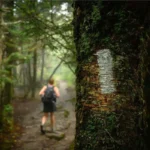
It helps to check trail reviews online. Apps like AllTrails or state park websites can tell you about distance, elevation, difficulty, recent weather updates, and trail conditions. As a beginner, avoid trails with steep climbs, river crossings, or unclear route markings.
You should always check the estimated completion time. Choose something short and simple at first. Two to five miles is perfect for a solo beginner hike. As your confidence grows, you can slowly shift to longer and more challenging trails.
Tell Someone About Your Hiking Plan
One of the simplest and most powerful safety tips is telling someone your plan. Share your trail name, location, start time, and expected return time with a family member or friend. If anything unexpected happens, someone will know where you are and when to check on you.

In the US, many trails have visitor registration logs at the trailhead. Sign in before starting your hike. It gives park rangers helpful information in case of emergencies. You can also text your live location to someone before entering an area with poor signal.
This step alone can prevent most worst-case scenarios. Even experienced hikers follow this rule every time they explore alone.
Pack the Right Solo Hiking Essentials
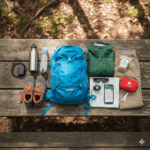
Packing the right items keeps you comfortable and safe on the trail. Even on short hikes, you should carry water, snacks, a small first aid kit, a map, a phone, and power backup. Keeping extra water is very important in the US, especially in warmer states like California, Arizona, Nevada, and Texas.
A simple hiking backpack is enough. You do not need anything expensive as a beginner. Make sure the backpack fits comfortably and does not put pressure on your shoulders.
Carrying a light jacket is also useful, even during warm days, because many trails become cooler as you move deeper into forests or higher into mountains. Weather in the US can change suddenly, especially in states like Colorado, Washington, and Oregon.
Stay Aware of Your Surroundings
Awareness is your best friend during a solo hike. Pay attention to the trail, signs, and sounds around you. Many beginners make the mistake of wearing headphones, but this reduces your ability to hear approaching hikers, animals, or weather changes. It is better to hike without headphones or keep volume very low.
Stick to the marked trail at all times. Do not take shortcuts or explore unknown paths. If you notice you are getting off-track, stop immediately, check your map, and return to the last marked point.
You should also keep an eye on the time. Plan to finish your hike before sunset because trails become harder to navigate in the dark.
Common Wildlife Safety Tips for Solo Hikers in the US
The US has beautiful wildlife, and most animals avoid humans. However, staying informed keeps you safe. In many states, black bears, deer, coyotes, and snakes are common. They do not attack unless they feel threatened. The best safety rule is to stay calm and give wildlife space if you see them from a distance.
Never feed or approach any animal, no matter how harmless it looks. If you hike in bear country, consider carrying a bear bell or bear spray. Most beginners never need to use it, but having it gives extra security.
Snakes usually avoid trails, but if you see one, step back and wait for it to pass. Walking with steady footsteps helps because snakes feel vibrations and move away.
How to Stay Safe If You Lose Cell Signal
Many trails in the US have poor signal areas, especially inside forests or mountains. This is normal, and you should not panic. Download offline maps before starting your hike. Most hiking apps offer this option for free or for a low cost.
If you lose signal, stay calm and stay on the main trail. Do not wander off looking for higher ground unless necessary. If you told someone your hiking plan as discussed earlier, someone already knows your expected schedule.
If you truly feel lost, stop, breathe, and carefully retrace your steps. Most trails reconnect with the main route when you take your time.
Weather Safety: How to Protect Yourself During Sudden Changes
Weather in US hiking areas can be unpredictable. Even on sunny mornings, rain or fog can appear later. Always check weather forecasts before planning your route. If you notice lightning, dark clouds, or sudden wind, begin returning to the trailhead slowly and safely.
Avoid hiking during storms, heavy snow, or strong winds, especially as a beginner. Many state parks close certain trails during unsafe conditions, so always check their website before leaving home.
Wearing layers helps because you can remove or add clothing as needed. A waterproof jacket is helpful even during light rain.
Stay Motivated and Build Confidence as a Solo Hiker
Solo hiking helps you grow mentally and physically. The more you hike, the more confident you become. Take small steps at first. Explore easy trails, enjoy the views, and celebrate your progress.
If you are working on improving not just your outdoor lifestyle but also your financial lifestyle, you can read helpful beginner guides at WhiteHatFinance.com for smart money tips.
With consistency, you will feel safe and excited every time you head out for a solo hiking adventure.
Conclusion: Solo Hiking Is Safe When You Prepare
Hiking alone can be one of the most rewarding things you will ever do. With simple planning, trail research, awareness, and the right essentials, even complete beginners can enjoy safe solo hikes across the US. Start small, move at your own pace, and remember that nature is a beautiful space when you respect and understand it.
For more practical guides and useful life tips, visit WhiteHatFinance.com and explore smarter ways to build a secure future.
FAQs: How to Hike Safely Alone
Is it safe to hike alone as a beginner?
Yes, hiking alone is safe if you choose easy trails, plan well, and stay aware. Starting with short beginner-friendly routes is the best way to learn.
What should I carry when hiking alone?
Carry water, snacks, a phone, a map, a jacket, and a small first aid kit. Packing light but smart keeps you safe on any trail.
What time of day is best for solo hiking?
Start early in the morning. It gives you plenty of daylight and reduces the risk of hiking in the dark.
What if I meet wildlife while hiking alone?
Stay calm, give animals space, and slowly move away. Do not approach or feed them.
How do I avoid getting lost?
Stick to marked trails, download offline maps, and avoid taking shortcuts. Always inform someone before you start your hike.