

Hiking in warm weather can be enjoyable, but it also brings real risks like heat exhaustion and sunstroke. These conditions happen when your body overheats and cannot cool down properly. Many hikers underestimate how quickly heat can affect them, especially during long trails or high-exposure routes. The good news is that both heat exhaustion and sunstroke can be prevented with simple preparation, smart planning and the right safety habits. In this detailed and beginner-friendly guide, you will learn exactly how to stay cool, safe and hydrated while hiking in hot weather. Whether you are hiking in national parks, local trails or mountains, these tips will help you enjoy your outdoor adventures without risking your health.
For more helpful safety and lifestyle guides, explore WhiteHatFinance.com where we share practical information to help you make smarter decisions every day.
What Are Heat Exhaustion and Sunstroke?
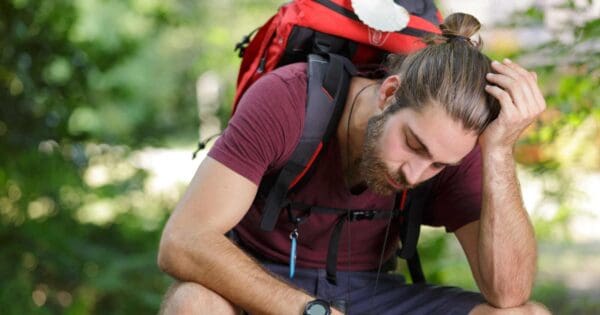
Heat exhaustion happens when your body loses too much water and salt due to excessive sweating. When this happens, you may feel dizzy, weak, tired, confused or extremely thirsty. Your skin might feel cool and sweaty even though you are overheated internally. If not treated quickly, heat exhaustion can turn into sunstroke.
Sunstroke, also known as heat stroke, is a serious medical emergency. This happens when your body temperature rises above 104°F (40°C) and the body can no longer cool itself through sweating. People experiencing sunstroke may stop sweating completely, feel confused, have trouble speaking, breathe rapidly or even lose consciousness. Immediate medical help is required in such cases.
Understanding these conditions is important because they sneak up on the body silently. You may feel fine one moment and unwell the next. That is why prevention, hydration and awareness are key when hiking in hot weather.
Start Your Hike Early to Avoid Peak Heat Hours
One of the simplest yet most effective ways to stay safe from heat exhaustion is to start your hike early in the morning. The hours between 6 AM and 10 AM are usually cooler, breezier and far more comfortable. Hiking during these times reduces strain on your body and lowers your risk of overheating.
The hottest hours of the day usually fall between 12 PM and 4 PM. During this period, the sun is directly overhead, and the temperature rises very quickly. Even short hikes can feel extremely difficult if you begin at midday. Planning your hike timing not only keeps you safe but also improves your overall hiking experience. You enjoy clearer skies, calmer weather and a more peaceful trail.
Wear Light, Breathable and Sun-Protective Clothing
Your clothing plays a major role in controlling body temperature when hiking. Light-coloured clothes reflect heat, while dark colours absorb it. Choose breathable, moisture-wicking fabrics like cotton blends or technical hiking wear. These fabrics allow heat to escape and help sweat evaporate faster, keeping you cool throughout the hike.
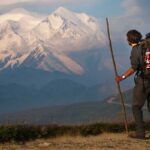
A wide-brim hat is essential because it protects your face, neck and head from direct sunlight. Sunglasses with UV protection help reduce eye strain and prevent heat from affecting your vision. When your eyes are relaxed, your body stays calmer. Loose-fitting clothes allow better airflow, which prevents overheating.
Choosing proper footwear also matters. Hiking shoes with mesh or ventilation points reduce sweat build-up and keep your feet cooler. When your feet stay cool, the rest of your body can regulate heat better.
Hydrate Before, During and After Your Hike
Hydration is the foundation of heat safety. However, many hikers drink water only when they feel thirsty, which is already a sign of dehydration. Before starting your hike, drink enough water so that your body begins in a hydrated state.
During the hike, sip small amounts of water every 10 to 15 minutes. This steady intake helps your body maintain a stable temperature and prevents fatigue. After completing your hike, drink more water to replace what you lost through sweat.
Electrolytes are equally important. When you sweat, your body loses minerals like sodium, potassium and magnesium. Without these, you may feel muscle cramps, headaches or dizziness. Carry electrolyte drinks, hydration tablets or ORS (oral rehydration solution), especially for longer hikes or extremely hot days. Proper hydration prevents overheating and keeps your energy stable.
Take Regular Breaks in the Shade
Many hikers try to finish a trail quickly and avoid taking breaks. But resting is one of the best ways to avoid heat exhaustion. During your hike, stop every 20 to 30 minutes and rest in shaded areas such as trees, large rocks or sheltered spots. These breaks help your heart rate slow down, your breathing stabilise and your body temperature cool naturally.
When you rest in the shade, it gives your body a moment to recover. Use this time to drink water, adjust your clothing, check how your body feels and prepare for the next stretch of the trail. If you feel unusually tired or dizzy, take a longer break until you feel normal again.
Choose Trails With Natural Shade and Water Sources
Not all trails are suitable for hot weather hiking. Some trails offer good shade from trees, canyon walls or mountain slopes. These routes naturally protect you from direct sunlight, making them safer for summer hikes.
Trails near rivers, lakes or streams also tend to feel cooler because of the moisture in the air. On the other hand, open trails with flat rocky surfaces, deserts, or long exposed ridges can reflect heat and make temperatures feel hotter than they actually are.
Before choosing a trail, check maps or apps that highlight sun exposure. Planning a shaded route can make your hike far more comfortable.
Eat Light and Healthy Foods to Maintain Energy
Eating the right kind of food is important when hiking in hot weather. Heavy meals slow down your digestion and make your body work harder, which leads to overheating. Instead, choose light and healthy snacks such as fruits, nuts, energy bars and whole-grain foods.
Bananas, apples, oranges and grapes are great because they provide natural hydration and energy. Nuts and seeds give long-lasting energy without making you feel tired. Avoid sugary drinks and heavy energy drinks because they can dehydrate you faster and increase your heart rate.
Know the Warning Signs of Heat Exhaustion and Sunstroke
Recognising early warning signs can prevent a serious emergency. Signs of heat exhaustion include:
• Feeling tired or weak
• Dizziness or confusion
• Nausea or headache
• Heavy sweating
• Muscle cramps
• Cold and clammy skin
Signs of sunstroke are more severe:
• No sweating even in heat
• Hot, red or dry skin
• Rapid breathing
• Confusion or irritability
• Fainting
If you or someone in your group shows these symptoms, stop hiking immediately. Move to the shade, drink water, rest and cool the body. Seek medical help if symptoms worsen or if you suspect sunstroke.
Apply Sunscreen Regularly to Protect Your Skin
Sunburn increases the risk of dehydration and overheating. Apply sunscreen with SPF 30 or higher before starting your hike. Reapply every two hours or more often if you sweat heavily. Protecting your skin helps maintain your overall temperature and prevents long-term skin damage.
Final Tips for Staying Safe While Hiking in Hot Weather
Always tell someone where you are hiking, especially if you are going alone. Carry a charged phone, basic first-aid supplies and a trail map. Avoid alcohol and excessive caffeine before your hike because they increase dehydration. Listen to your body throughout the hike. If something feels wrong, slow down or turn back. Safety should always be your top priority.
For more lifestyle safety guides and smart money tips, visit WhiteHatFinance.com and explore our expert articles designed to keep you informed and prepared.
Frequently Asked Questions
How much water should I drink while hiking?
You should sip water every 10–15 minutes. On very hot days, around one litre per hour may be needed depending on your pace and body type.
Is sunstroke possible even in the shade?
Yes. If your body temperature is too high or you are dehydrated, shade alone may not be enough. Hydrate and rest properly.
What should I do if I feel dizzy during a hike?
Stop immediately, move to shade, drink water, sit down and breathe slowly until you feel better.
Can beginners hike in hot weather safely?
Yes, but only with proper planning, hydration and awareness. Start early and choose easy, shaded trails.