

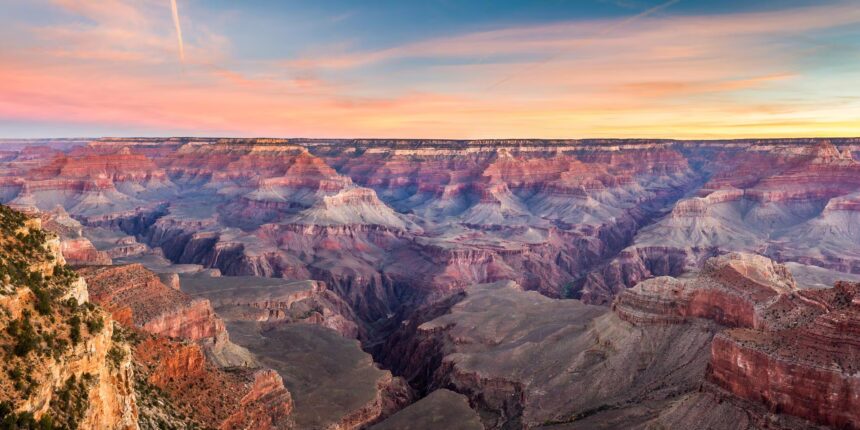
The Grand Canyon Rim-to-Rim hike is one of the most exciting long-distance adventures in the United States. It lets you walk from one edge of the canyon to the other, crossing stunning landscapes, deep valleys, and colourful rock layers that reveal millions of years of earth’s history. This hike is challenging but extremely rewarding, making it a dream route for both new and experienced hikers. If you prepare well, choose the right time, and understand the trail, you can complete it safely and enjoyably.
The Rim-to-Rim trail covers about 21 to 24 miles depending on the route. Some hikers finish it in a single day, while others take two or three days for a more relaxed journey. This guide explains the complete itinerary, difficulty level, the best time to go, and beginner-friendly preparation tips. For more helpful outdoor and travel planning guides, you can also check out WhiteHatFinance.com to explore useful resources and budgeting tips for your adventure.
What Is the Grand Canyon Rim-to-Rim Hike?
The Rim-to-Rim hike takes you from the North Rim of the Grand Canyon to the South Rim, or the other way around. Most hikers prefer starting from the North Rim because it is cooler and higher in elevation, which makes the early descent more comfortable. The South Rim is more popular and easily accessible, making it a great ending point.
This hike uses sections of well-known trails such as the North Kaibab Trail, Bright Angel Trail, and South Kaibab Trail. Each section has its own beauty, including narrow canyons, desert views, streams, and stunning viewpoints. The full Rim-to-Rim route gives you the complete Grand Canyon experience in one powerful journey.
Difficulty Level of the Rim-to-Rim Hike
The Rim-to-Rim hike is considered a very difficult trail. It is not impossible for beginners, but you need good fitness, training, and preparation. The trail includes steep descents, long uphill climbs, intense heat, and rocky paths.

The elevation change is one of the biggest challenges. From the North Kaibab Trailhead, you descend more than 5,700 feet. Toward the South Rim, you climb about 4,400 feet. The inner canyon can get extremely hot in the summer, sometimes above 100°F (38°C), which can be dangerous if you do not manage your hydration and rest properly.
Despite the difficulty, thousands of hikers finish this route every year. With a slow pace, steady hydration, and good planning, the Rim-to-Rim hike can be completed safely. You can also visit WhiteHatFinance.com for helpful planning, budgeting, and preparation guides that make your adventure easier.
Grand Canyon Rim-to-Rim Full Itinerary
1-Day Itinerary
Some well-trained hikers complete the Rim-to-Rim hike in a single day. This option is extremely demanding and should only be attempted if you are physically prepared.

A typical 1-day hike starts very early in the morning from the North Kaibab Trailhead. The cool air makes the early descent comfortable. You reach Cottonwood Campground before the heat increases. Next, you continue to Bright Angel Creek and Phantom Ranch, where you can rest and refill water. After crossing the Colorado River, you begin the long climb up the Bright Angel Trail, which has water stations and shade, making it the better choice for long single-day hikes.
2-Day Itinerary
A 2-day Rim-to-Rim itinerary is ideal for most hikers. It offers a balance between challenge and comfort.
Day 1 usually takes you from the North Kaibab Trailhead to Phantom Ranch or Bright Angel Campground. This route passes through forests, narrow canyon walls, waterfalls, and the famous “Box,” which is a hot part of the canyon. Spending the night at the bottom helps your body rest before the tough climb the next morning.
Day 2 starts early with the steady climb up the Bright Angel Trail toward the South Rim.
3-Day Itinerary
The 3-day itinerary is the most beginner-friendly option. It allows more rest, slower pace, and time to enjoy the views.
Day 1 takes you to Cottonwood Campground.
Day 2 takes you to Bright Angel Campground or Phantom Ranch.
Day 3 is the final climb to the South Rim.

This schedule reduces physical strain and gives you time for photos, side trails, and breaks.
Best Time to Do the Rim-to-Rim Hike
The best time to hike Rim-to-Rim is in late spring (May to early June) and fall (mid-September to October). These months offer cooler temperatures, safer trails, and open access to the North Rim.
Summer is not recommended because of extreme heat, especially near the bottom of the canyon. Winter is also difficult because the North Rim closes due to heavy snowfall and icy trail conditions.
Spring and fall provide ideal temperatures, beautiful colours, and comfortable conditions for long hiking days.
Essential Tips for Rim-to-Rim Hikers
Proper preparation is important for the Rim-to-Rim trek. Carry enough water and refill at every station. Eat often to maintain energy. Always start early so you can finish most of the hike before afternoon heat becomes strong.
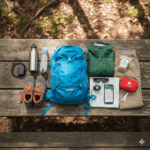
Wear good-quality hiking shoes, protect yourself from the sun, and choose lightweight clothing. Trekking poles can be very helpful during steep sections.
Training is also essential. Long walks, stair climbing, and leg-strength exercises prepare your body for the challenge. Try some practice hikes carrying a backpack to get used to the weight.
To manage your travel budget, equipment cost, and trip planning more efficiently, visit WhiteHatFinance.com for free guides and tips.
Do You Need a Permit for the Rim-to-Rim Hike?
You do not need a permit for a single-day Rim-to-Rim hike. However, if you plan to stay overnight at any inner canyon campground, you need a backcountry permit from Grand Canyon National Park. These permits must be requested in advance because camping spots fill quickly.
Staying at Phantom Ranch also requires a separate reservation, which is often booked months ahead.
FAQs
How long does it take to finish the Rim-to-Rim hike?
It usually takes 1 to 3 days depending on your fitness level and itinerary. A 2-day or 3-day plan is the most comfortable for most hikers.
Can a beginner do the Rim-to-Rim trail?
Yes, beginners can do it if they train properly and choose a slow, multi-day itinerary. The 3-day itinerary is the safest option.
Is the Rim-to-Rim hike safe?
Yes, it is safe if you prepare well, stay hydrated, avoid the hottest times of day, and follow park rules. Heat and overexertion are the most common risks.
Which trail is better for finishing?
Most hikers finish on the Bright Angel Trail because it has shade, water stations, and more resting points. South Kaibab Trail is steeper and has no water sources.
What should I pack for this hike?
Bring at least 2–3 litres of water, salty snacks, sunscreen, a hat, trekking poles, and comfortable hiking shoes. A lightweight backpack helps reduce stress on your body.
If you want more guides, travel tips, or budgeting articles for adventure planning, visit WhiteHatFinance.com for simple and helpful resources.