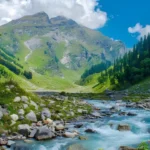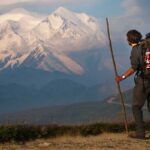


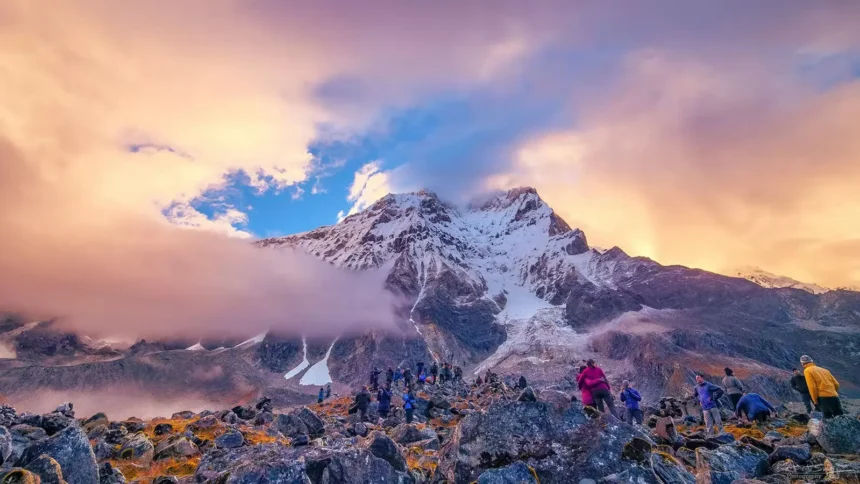
The Goechala Trek is one of the most stunning high-altitude treks in India, offering breathtaking views of Mount Kanchenjunga and the majestic Himalayan range. Located in Sikkim, this trek is perfect for adventure lovers who want to experience deep forests, peaceful lakes, long meadows, and dramatic sunrise views over some of the tallest mountains in the world. The route is filled with beautiful landscapes that change every day, making the journey exciting from start to finish. To make your trek comfortable and safe, it is important to understand the best season, fitness requirements, and preparation tips before starting your journey.
For more beginner-friendly guides and smart travel resources, you can also explore the main website of WhiteHatFinance for financial and lifestyle tips.
What Makes the Goechala Trek Special?
Goechala is known for its mix of dense forests, open valleys, and high-altitude terrain. Trekkers especially enjoy walking through the famous rhododendron forests that turn bright pink and red during spring. These colourful flowers make the entire trail look magical, especially when you see them blooming on both sides of the path.
As you climb higher, the scenery becomes more alpine, and the highlight of the trek, Samiti Lake, appears like a peaceful blue mirror surrounded by mountains. This lake becomes even more spectacular during sunrise when the sky turns orange and the mountains reflect in the water. The final viewpoint gives a close view of the mighty Kanchenjunga, glowing golden in the morning sun. This unforgettable moment is the reason many trekkers dream of doing the Goechala Trek at least once in their life.
Best Season to Do the Goechala Trek
Choosing the right season is extremely important for a successful Goechala Trek. The Himalayas have unpredictable weather, and a wrong season can make your experience difficult. The two best seasons for Goechala are Spring (March to May) and Autumn (September to November). Both seasons offer different types of beauty and comfort on the trail.
Spring Season (March to May)
Spring is a favourite season among trekkers because of the rhododendron bloom. The entire trail becomes colourful, with shades of pink, purple, and red everywhere. Days are usually mild and pleasant, although nights can still be quite cold. If you love flowers, photography, and vibrant scenery, spring is the best time for you. Snow patches may still be present in March and early April, making the trail even more exciting. Clear skies during this period give you a good chance of seeing Kanchenjunga and other big peaks.
Autumn Season (September to November)
Autumn offers the most stable weather conditions. After the monsoon, the skies become crystal clear, and visibility becomes excellent. This is the best season if your main goal is to enjoy grand mountain views. The temperature is colder than spring, especially during late October and November, but the trail remains dry, clean, and easy to walk on. Many trekkers choose autumn because it gives the best sunrise view from Goechala Viewpoint. If you want perfect weather and clear skies, autumn is the right choice.
Fitness Level Required for the Goechala Trek
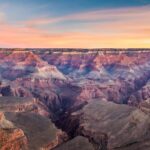
The Goechala Trek is considered challenging because of its long walking hours, steep climbs, and high altitude that reaches around 15,000 feet. You do not need to be a professional athlete, but you must have good stamina, basic strength, and strong mental preparation.
Endurance Requirement
You should be able to walk for 6 to 8 hours a day without difficulty. Since the trail has long climbs and descents, your stamina plays a big role in completing the trek comfortably. You can train yourself by jogging or brisk walking daily. Start with 5 km a day and slowly increase to 8 or 10 km over a few weeks. This routine will prepare your lungs and legs for the long days on the trail.
Strength and Flexibility
Your legs, knees, and core muscles must be strong to handle steep climbs and rugged terrain. Doing simple exercises like squats, lunges, step-ups, planks, and stretching can help you stay fit for the trek. Flexibility is also important because it reduces muscle pain during and after the trek. Spending just 10 minutes on stretching each day can make a big difference in your trekking comfort.
Mental Preparation
High-altitude treks require patience, discipline, and a positive attitude. Some days will be tough, cold, or tiring, but staying mentally strong helps you keep moving. A calm and determined mindset is very important because it helps you stay focused even when you feel low on energy.
How to Prepare for the Goechala Trek
Good preparation is the secret to a successful trekking experience. When you prepare your body and mind before the trek, you reduce the chances of health issues and enjoy the journey more fully.
Start Training 6 to 8 Weeks in Advance
Begin your fitness training at least two months before the trek. Focus on stamina-building exercises like walking, jogging, and cycling. Try to include staircase climbing at least three times a week. It helps your lungs get stronger and prepares your legs for steep climbs at high altitude.
Carry the Right Trekking Gear
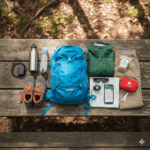
Proper trekking gear makes your journey much more comfortable. Carry warm layers, gloves, a waterproof jacket, and a good pair of trekking shoes. A well-padded backpack helps reduce shoulder pain during long hiking hours. Also carry essential items like a first-aid kit, refillable water bottle, headlamp, sunglasses, and energy snacks.
Learn About Altitude Sickness
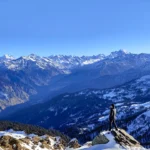
Altitude sickness happens when your body struggles to adjust to thin air at high altitude. Common symptoms include headache, short breath, loss of appetite, and dizziness. To prevent this, walk slowly, stay hydrated, and take breaks whenever required. Never ignore symptoms. If your condition worsens, descending to a lower altitude is the safest decision.
Pack for Himalayan Weather
Mountain weather can change at any moment. Even in good seasons, temperatures at night drop sharply. Carry warm thermals, woollen socks, a winter jacket, and a reliable sleeping bag. Waterproof shoes and a rain jacket are also important, especially during early spring or late autumn.
Prepare Yourself Mentally
The Goechala Trek can be long and demanding, but the experience is worth it. When you mentally prepare yourself for cold winds, long hiking hours, and early-morning wake-ups, you enjoy the trek more. A positive mindset makes even the hardest sections feel manageable.
Why the Goechala Trek Is Worth It
The Goechala Trek gives you one of the best Himalayan experiences in India. From colourful forests to high-altitude lakes, every day brings a new surprise. The peaceful campsites, fresh mountain air, and huge mountain views make the journey unforgettable. Many trekkers say the sunrise view of Kanchenjunga from the final viewpoint is emotional and life-changing. The trek teaches you patience, physical strength, and appreciation for nature, making it a perfect choice for adventure lovers.
Call to Action
If you want to plan your trek wisely and also learn how to manage your travel budget smartly, you can explore more helpful guides on WhiteHatFinance. It offers easy-to-understand articles that help you make better financial and lifestyle decisions.
FAQs
How many days does the Goechala Trek take?
Most Goechala trek itineraries take 8 to 10 days, including trekking time and acclimatisation breaks.
Is the Goechala Trek recommended for beginners?
It is a challenging trek and not suitable for complete beginners. It is better to have experience with at least one moderate Himalayan trek before attempting Goechala.
Do I need permits for the Goechala Trek?
Yes, permits are required because the trek passes through protected areas. Your trekking agency usually arranges all necessary permits.
What is the highest altitude on the Goechala Trek?
The highest point is around 15,000 feet near the Goechala Viewpoint.
Can I do the trek alone?
It is not recommended to do this trek alone because the terrain is remote and weather changes quickly. Going with a group or experienced guide is safer.