

Hiking is one of the simplest and most rewarding outdoor activities you can start in the United States. You do not need professional training, expensive equipment, or advanced fitness. You only need comfortable shoes, basic preparation, and the interest to explore nature. For beginners, hiking is perfect because it helps improve physical health, reduces stress, and gives you a break from daily noise.
If you are completely new to hiking, this detailed beginner guide will help you get started confidently. It follows easy steps, beginner-friendly advice, and updated 2025 guidelines so you can enjoy your first hike safely.
What Hiking Actually Means
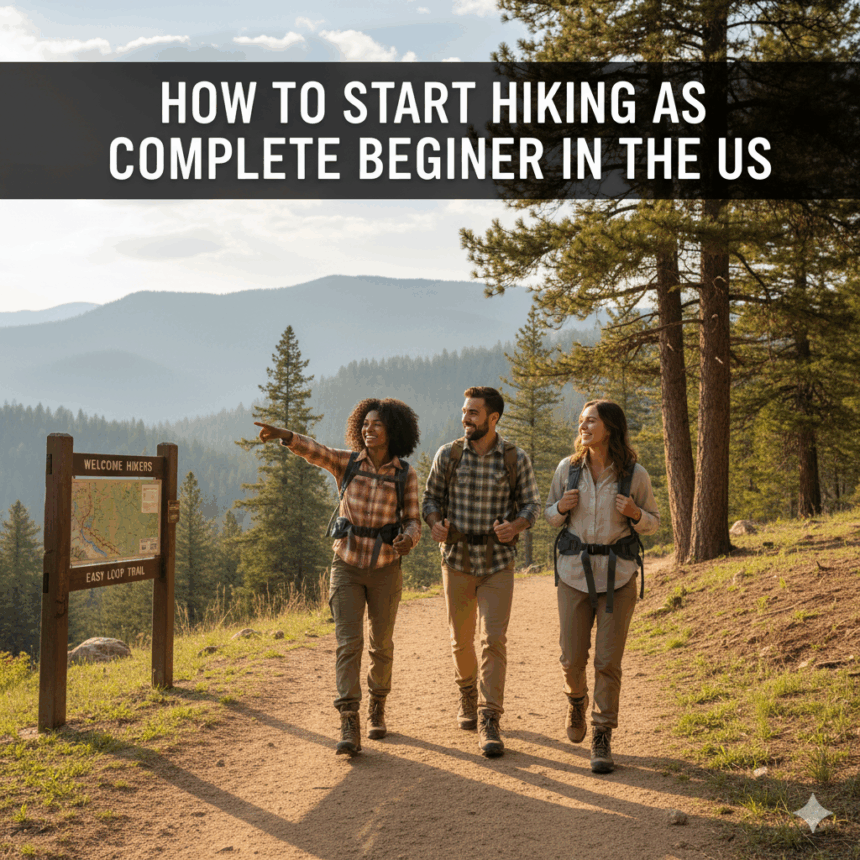
Many beginners think hiking means climbing steep mountains or going on long multi-day trips. But hiking simply means walking on a natural trail. It can be a short walk through a forest, a path around a lake, or an easy route in a national park. The US has thousands of beginner-friendly trails that are flat, short, and safe for all ages.
Hiking allows you to enjoy views, fresh air, trees, rivers, and wildlife at your own pace. It also improves your mood, mental clarity, and overall well-being.
How to Choose Your First Hiking Trail in the US
Picking the right first trail is very important. You should start with something short, simple, and not too steep. An ideal beginner trail is one to three miles long with a clearly marked path.
The easiest way to find beginner trails is by using simple tools like AllTrails, Hiking Project, National Park websites, or Google Maps. Search for “easy hiking trails near me” and read the reviews. Look for phrases like “beginner-friendly,” “flat path,” “easy walk,” or “family hike.”
You should also check the weather before heading out. Mild and clear weather is best, especially for your first hike. Avoid hiking in extreme heat, heavy snow, thunderstorms, or strong winds.
What to Wear on Your First Hike
You do not need special hiking clothes as a beginner. Wear comfortable clothing that allows your body to move easily. Light, breathable, quick-dry fabric works best. Avoid thick cotton because it stays wet when you sweat.

Footwear is the most important thing. For short hikes, normal running shoes or walking shoes are good enough. Make sure your shoes fit well and have enough grip to walk on dirt or rocky paths. You can upgrade to hiking shoes later if you continue hiking.
If the weather is cool, carry a light jacket. For summer hikes, a hat and sunglasses help protect you from the sun.
What to Pack for Your First Hike
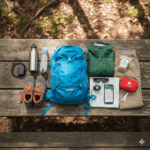
You should pack only the essentials. Carrying too many items can make your hike uncomfortable.
Bring a bottle of water. Staying hydrated is the number one rule when hiking. For short hikes, one bottle is usually enough.
Carry a small snack like a granola bar, nuts, or fruit. This helps you maintain energy during your walk.
A basic first-aid kit is useful. Include only simple items like band-aids, tissues, and pain relief medicine. Sunscreen and lip balm will help if the weather is sunny or dry.

You can also carry your phone for navigation and emergency contact, but avoid relying on it completely because some trails may have weak signals.
How to Prepare Before Your Hike
Even though hiking is simple, preparing a little helps make your experience better. Take short walks around your neighbourhood for a few days before your hike. This improves your stamina and makes the trail easier.
Eat a light meal an hour or two before hiking. Avoid hiking on an empty stomach or after a very heavy meal. Drink enough water before starting your hike.
If you are hiking alone, always inform a family member or friend about where you are going. Share the name of the trail and your expected return time.
How to Stay Safe on the Trail
Hiking is safe when you follow simple rules. The most important rule is to stay on the marked trail. Do not take unmarked shortcuts, even if they look interesting. Many beginners get lost because they leave the trail.
Walk slowly and steadily. You do not need to rush. Take breaks whenever you want and enjoy the surroundings.
Drink water regularly, especially on warm days. If you feel tired, rest for a few minutes before continuing.
If you encounter wildlife such as deer, birds, or squirrels, keep a safe distance. Most animals avoid humans, but respecting their space keeps you safe. If you are hiking where bears are common, read park safety instructions beforehand. Many beginner trails in populated US areas have extremely low wildlife risks.
If the weather changes suddenly and the sky becomes very dark or it starts raining heavily, turn back early. Safety is always the first priority.
Understanding Trail Difficulty Levels
Before choosing a trail, pay attention to its difficulty rating. The rating tells you what to expect.
Easy trails are short, mostly flat, and perfect for beginners. They are usually one to three miles long.
Moderate trails may have hills, uneven surfaces, or longer distances. You can try these once you complete a few easy hikes.
Hard trails are steep and long, meant for experienced hikers. Beginners should avoid these until they gain more confidence.
Trail difficulty is usually mentioned on park boards, websites, and trail apps.
How to Make Your First Hike More Enjoyable
The best way to enjoy hiking is to go at your own pace. Hiking is not a race. You can pause to look at trees, take pictures, sit near a stream, or enjoy views.
Go with a friend or family member if possible. Hiking becomes more fun when shared. If you prefer hiking alone, choose popular trails where other people are around.
Do not put pressure on yourself to finish fast or climb high. The goal is to enjoy nature and build confidence.
If you want more beginner-friendly hiking tips, gear guides, and US trail recommendations, you can explore TrekkingCafe.com for easy-to-understand articles that help new hikers grow safely and confidently.
How Often Should a Beginner Hike
You can start by hiking once a week or once every two weeks. Regular hiking improves your stamina and makes longer trails easier. Over time, you can try trails with slight elevation or longer distances. Listen to your body and increase difficulty slowly.
Planning Your Next Hikes
Once you complete two or three easy hikes, you can explore more beautiful trails across the country. The US has amazing beginner-friendly locations such as Colorado, California, Utah, Washington, and the Smoky Mountains. Try different types of trails like lakeside walks, forest paths, desert views, and coastal hikes to discover what you enjoy the most.
As you learn and gain confidence, you can also start exploring gear guides, safety tips, and destination recommendations on TrekkingCafe.com. This will help you plan better and enjoy hiking more.
If you want more detailed beginner hiking guides, gear recommendations, and US trail suggestions, visit TrekkingCafe.com. Our website helps new hikers learn step-by-step and enjoy nature with confidence.
Frequently Asked Questions
Is hiking safe for complete beginners
Yes, hiking is safe when you choose easy trails, follow trail markers, check the weather, and carry basic essentials.
Do I need hiking boots for my first hike
No, you can use comfortable running or walking shoes for short and easy trails.
How long should my first hike be
A one to three mile hike is perfect for beginners.
Is it okay to hike alone as a beginner
Yes, but choose a popular and easy trail. Inform someone about your plans before you go.
Which season is best for hiking in the US
Spring and fall offer the most comfortable weather for beginners.