

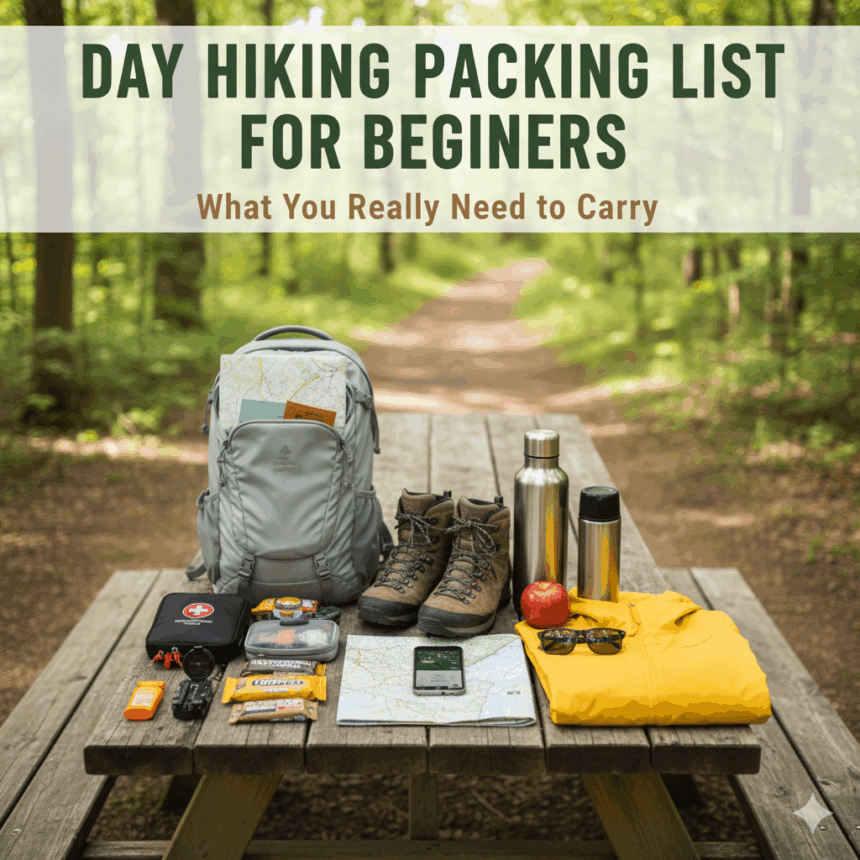
Day hiking is one of the best and simplest ways to enjoy nature. You do not need complicated gear or advanced trekking experience to enjoy a day hike. But for beginners, knowing what to pack can feel confusing. Carrying too little can make your hike unsafe, while carrying too much can make your backpack heavy and uncomfortable.
This complete day hiking packing list is designed especially for beginners. It uses simple language, follows Google’s 2025 SEO guidelines, and helps you pack smartly and confidently. If this is your first hike or you want to improve your packing routine, this guide will help you start strong.
For more beginner-friendly hiking guides, you can explore Trekking Café for helpful articles and simple trekking advice.
Why Packing Right Matters for Day Hikes
A good packing list makes your hike easier, safer, and more enjoyable. When you pack only the essential items, you save energy, stay organised, and avoid many common beginner mistakes.
Packing right ensures you stay prepared for weather changes, trail discomforts, hunger, and small injuries. Since beginners are still learning how to manage trails, weather, and stamina, carrying the right items reduces stress and builds confidence.
Choosing the Right Backpack for a Day Hike
Before you start adding items to your bag, choose a daypack that is comfortable and lightweight. For most beginners, a 20L to 30L backpack works perfectly. It gives you enough space for water, clothes, and essential items without feeling bulky.
Choose a backpack with padded shoulder straps, a chest strap, and preferably a hip belt. These help distribute weight evenly so your shoulders do not get tired during the hike. Side pockets for water bottles and a front pocket for quick-access items are also very helpful.
Essential Items You Should Pack for a Day Hike
Many beginners overpack because they worry about emergencies, but a smart and simple packing list keeps your experience light and stress-free. These essential items cover everything you need without adding unnecessary weight.
Water and Hydration
Water is the most important thing to carry on any hike. Most beginners should carry one to two litres of water depending on the weather and trail difficulty. If the weather is hot, carry more.
Hydration bladders make it easy to sip water without stopping, while reusable bottles work great for shorter hikes. If you expect natural water sources along the trail, carrying a small water filter gives extra safety.
Snacks and Simple Food
Your body needs steady energy while hiking. Instead of heavy meals, choose light and nutritious snacks such as nuts, granola bars, trail mix, or fruits. These are easy to eat and provide quick energy boosts.
For longer day hikes, you can also carry a sandwich or an energy bar that stays fresh for hours. Eating small portions during breaks keeps your energy steady.
Navigation Tools
Even if the trail is marked, beginners should always carry basic navigation tools. A simple map or a downloaded offline route on your phone is extremely helpful. Mobile network is often weak or unavailable on many trails, so offline navigation is important.
A small compass can also be useful. It does not require power and helps you stay oriented if you ever feel confused on the trail.
More Read
Weather Protection
Weather can change quickly, especially in forests, mountains, or coastal trails. Carrying a lightweight rain jacket protects you from sudden rain or wind. A hat and sunglasses help you stay comfortable in sunny weather.
During cooler months, pack a warm layer like a fleece jacket. Even if the day starts warm, temperatures can drop suddenly in shaded or high-altitude areas.
Sun Protection
Sun protection is important even on cloudy days. A small sunscreen bottle, lip balm with SPF, and a wide-brimmed hat can save you from sunburn and dehydration. Reapply sunscreen on long hikes to stay protected.
First Aid Kit
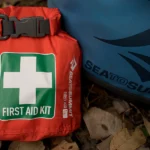
A small first-aid kit is essential for every beginner. It should include antiseptic wipes, bandages, blister-care patches, and pain relievers. Blisters are one of the most common issues beginners face, so blister pads are very important.
If you take any personal medicines, pack them in your kit as well. A simple kit does not take much space but gives you big safety benefits.
Emergency Items
Even on short hikes, carrying a few emergency items is a smart habit. A small emergency whistle helps if you get lost or need help. A pocketknife is useful for simple tasks. A flashlight or headlamp is extremely helpful if your hike takes longer than expected and it starts getting dark.
These lightweight items add an important layer of safety and preparedness.
Comfort Items
A few small comfort items can make your hike much smoother. Tissue paper, a quick-dry towel, and hand sanitiser are simple but very useful. A small plastic bag helps you carry out your trash or keep wet items separate.
A power bank ensures your phone stays charged for navigation and emergency contact.
How to Pack Your Backpack Properly
Packing smartly is just as important as the items you carry. When you pack your bag correctly, it feels lighter and more comfortable.
Keep heavy items like water bottles close to your back. Place snacks, tissues, sunscreen, and your phone in the front pocket or top pocket so you can reach them easily. Keep weather layers like a jacket near the top so you can grab them quickly.
Avoid stuffing your backpack with unnecessary items. Day hiking is meant to be light and simple, so pack only what you truly need.
Tips for Beginners to Make Day Hiking Easier
If this is your first hike, remember to start small. Choose an easy trail and gradually increase your distance as your confidence improves. Wear comfortable shoes that you have already used before. New shoes often cause blisters.
Start early in the morning to avoid heat and crowded trails. Tell someone your plan and expected return time for safety. Always check the weather conditions before leaving.
If you want more beginner-friendly hiking tips, gear guides, and US-based destination suggestions, you can explore Trekking Café for detailed and easy-to-understand articles.
Frequently Asked Questions
How much water should beginners carry for a day hike?
Beginners should carry at least one to two litres of water. If the weather is hot or the trail is long, carry more. Staying hydrated is one of the most important parts of safe hiking.
What should beginners avoid packing?
Beginners should avoid carrying heavy meals, unnecessary clothes, duplicate items, or anything that adds weight without value. A light backpack makes the hike more enjoyable.
Do beginners need trekking poles?
Trekking poles are optional but helpful. They provide extra support, reduce pressure on the knees, and help maintain balance on uneven terrain.
What is the best daypack size for beginners?
A 20L to 30L backpack is ideal for beginners. It offers enough space for essentials without being too large or heavy.
Can beginners hike alone?
Beginners should avoid solo hiking until they gain more experience. Hiking with a friend or group is safer and more enjoyable for new hikers.
Conclusion
Packing correctly is the foundation of a safe and enjoyable day hike. With the right items in your backpack, you stay ready for weather changes, hunger, small injuries, and unexpected situations. This beginner-friendly day hiking packing list helps you understand exactly what you need without overpacking.
As you gain more experience, you will naturally learn what items you prefer and how to pack more efficiently. For more guides, tips, and hiking resources, you can visit Trekking Café and continue your journey into the world of hiking with confidence.