


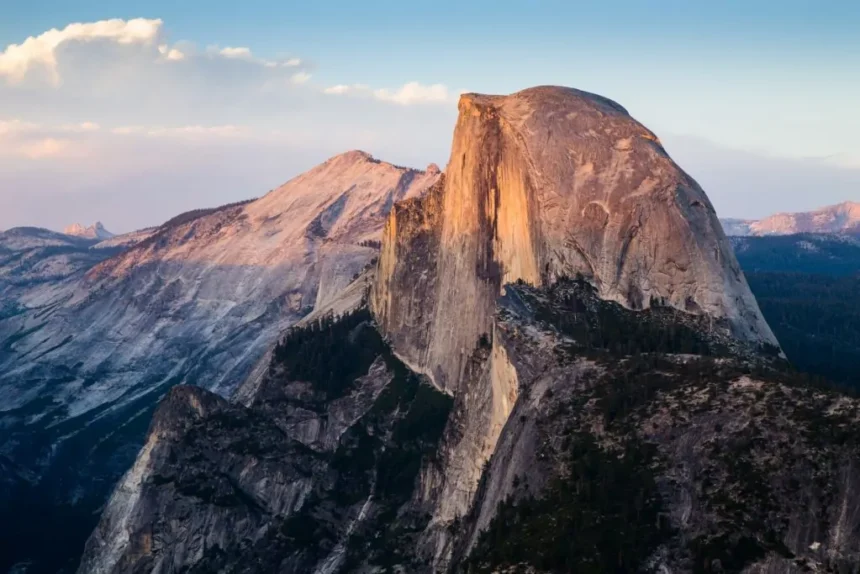
The Half Dome hike in Yosemite National Park is one of the most exciting and challenging adventures in the United States. With steep climbs, long distance, and the famous cable route, it attracts thousands of hikers each year. If this is your first time planning the hike, this guide will help you understand permits, route choices, preparation, safety tips, and the best time to go.
This guide is written in simple words to help even beginners understand everything without confusion. With the right preparation and mindset, Half Dome becomes one of the most memorable hikes in your life.
Why the Half Dome Hike Is So Popular
Half Dome is a huge granite formation that rises almost 5,000 feet above Yosemite Valley. Its shape is unique, and the trail to the top is full of beautiful scenery. You walk through forests, waterfalls, and wide open viewpoints that give breathtaking views of Yosemite National Park.
The Mist Trail, the granite steps, and the final cable climb make this hike thrilling from start to finish. Reaching the summit gives a feeling of accomplishment that many hikers call unforgettable.
Do You Need a Permit for the Half Dome Hike?
Yes, a permit is required to hike to the top of Half Dome. Yosemite uses a permit system to keep hikers safe and avoid overcrowding, especially on the cable section. Rangers check permits at the base of Sub Dome.

There are two ways to get a permit: the preseason lottery and the daily lottery.
Preseason Lottery Permits
The preseason lottery is held once a year, usually in March. You choose possible hiking dates, and if selected, you receive a permit. Many hikers apply every year, so winning is not guaranteed. Choosing multiple dates increases your chances of success.
Daily Lottery Permits
If you do not get a preseason permit, you can try the daily lottery. It opens two days before each hiking date. This is useful if you are already in Yosemite or planning your trip last minute.

Best Time to Hike Half Dome
The best time to hike Half Dome is from late May to mid-October. This is when the cables are installed and the conditions are generally safer.
Early summer offers strong waterfalls and fresh greenery, but the trail may be wet. Mid-summer is drier and easier to hike, though temperatures can be high. Autumn brings cooler weather and fewer crowds, but shorter daylight hours.
Avoid hiking during rain or storms because the cable section becomes extremely slippery.
Main Route Options for Reaching Half Dome
There are two main routes: the Mist Trail and the John Muir Trail. Many hikers combine both.
Mist Trail Route
The Mist Trail takes you past Vernal Fall and Nevada Fall. It is shorter and more scenic but steeper and sometimes slippery due to water spray. It is popular for the ascent because of its beauty and refreshing atmosphere.
John Muir Trail Route
The John Muir Trail is longer but more gradual. Many hikers prefer using this route for the descent because it is easier on the knees and safer when tired. It also offers wide, peaceful views of Yosemite.

The Half Dome Cable Ascent
The cable section is the most famous and challenging part of the hike. Two steel cables run up the steep granite slope, helping hikers climb. Wooden planks are placed at intervals for resting.
The granite is smooth and steep, so the cables are necessary. Many hikers feel nervous at first, but most adjust once they start climbing slowly and steadily. Always use both hands and avoid climbing during bad weather.
How Long Does the Half Dome Hike Take?
The hike usually takes 10 to 14 hours for the round-trip. The distance is around 14 to 16 miles depending on your chosen route.
Most hikers start early in the morning—between 4 am and 6 am—to avoid the heat, beat the crowds, and give themselves plenty of time to return before dark.
Safety Tips for Hiking Half Dome
Safety is extremely important because the hike involves steep sections, long distances, and exposed areas.
Carry enough water. At least 3 to 4 litres are needed because there are very few refill points.
Wear proper hiking shoes with good grip because the granite surface can be slippery.
Check the weather before your hike. Rain or storms make the cable ascent dangerous.
Bring snacks or energy food to fuel your long hike.
Tell someone your hiking plan because mobile signals are limited inside Yosemite.
Start early and carry a headlamp in case you return after dark.
Is the Half Dome Hike Good for Beginners?
Half Dome is a tough hike for beginners, but many first-timers complete it successfully with proper preparation. You should train for at least a few weeks by walking long distances, climbing stairs, and doing shorter hikes.
The cable section requires confidence and balance, but beginners can handle it by going slowly and staying calm.
Final Advice for Your Half Dome Adventure
Half Dome is one of the most rewarding hikes you can experience. With early planning, good fitness, and safe climbing techniques, you can enjoy every moment of the trail. The views from the summit make the entire effort worth it.
If you love helpful outdoor and travel guides, you can find more beginner-friendly content at White Hat Finance. Visit our website for hiking tips, travel guides, and smart outdoor advice.
FAQs
Do you need a permit to hike Half Dome?
Yes, a permit is required for the cable section and summit.
How difficult is the Half Dome hike?
It is a very challenging day hike due to steep climbs and long distance.
When is the best time to hike Half Dome?
Late May to mid-October, when the cables are installed and weather is safer.
How long does the Half Dome hike take?
Most hikers take between 10 to 14 hours to complete the full trail.
Can beginners hike Half Dome?
Yes, but beginners must train and prepare properly before attempting it.