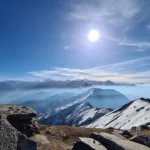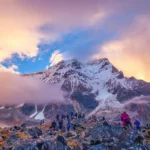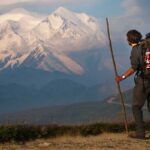


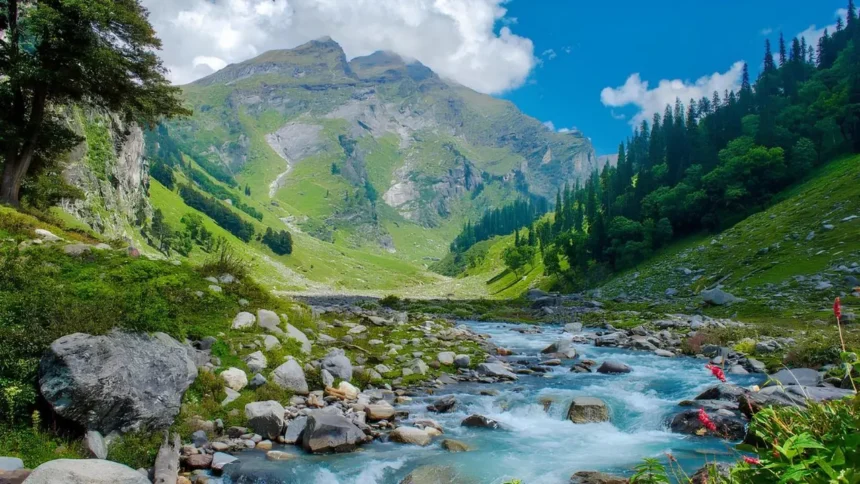
The Hampta Pass trek is one of the most beginner-friendly and scenic treks in the Indian Himalayas. Located in Himachal Pradesh, this route connects the beautiful Kullu Valley to the cold desert landscapes of Lahaul and Spiti. What makes Hampta Pass truly special is the dramatic shift in scenery that happens within just a few days. You walk through forests, meadows, rivers, snow patches and rocky desert terrain in a single trek.
This 5-day Hampta Pass itinerary is written in simple, clear language so even first-time trekkers can follow it easily. Before planning your adventure, you can also explore useful money guides on WhiteHatFinance.com to learn smart budgeting for travel and outdoor trips.
Day 1: Manali to Jobra – Beginning the Journey
Your trek starts in Manali, a well-known mountain town that serves as the base for many Himalayan treks. Most trekkers leave early in the morning to reach Jobra on time. The drive from Manali to Jobra takes about two hours and passes through apple orchards, pine forests and charming villages.
Once you reach Jobra, the trekking route officially begins. The walk from Jobra to the first campsite takes around one to one-and-a-half hours and is easy for beginners. You walk through oak and pine forests alongside the gentle Rani Nallah stream. The path is smooth, scenic and perfect for warming up your legs.
By evening, you reach the campsite and settle into your tent. Spend time relaxing, eating warm food and letting your body slowly adjust to the increasing altitude.

Day 2: Jobra to Jwara – Entering a Valley of Meadows
The second day introduces you to even more beautiful views. The trail from Jobra to Jwara passes through open grasslands surrounded by tall rocky mountains. As you move ahead, the valley starts opening wider and the scenery becomes breathtakingly peaceful.
There are a few simple river crossings along the way, but they are usually manageable with stones or small bridge-like structures. Jwara is one of the most stunning campsites on this route, with vast meadows and clear skies. At night, the visibility of stars is extremely high, making it a wonderful experience for nature lovers.
Keep drinking enough water and walk slowly, as you are now gaining more altitude.
Day 3: Jwara to Balu ka Ghera – Getting Ready for the Pass Day
On Day 3, the scenery begins to change noticeably. As you leave the green meadows behind, you start entering a more rugged and rocky landscape. The walk from Jwara to Balu ka Ghera is moderate and includes some refreshing stream crossings that you will remember forever.
Balu ka Ghera sits at an altitude of around 12,500 feet. The name means “bed of sand,” and you will notice sandy stretches around the campsite. Snow-capped mountains surround the area, creating a dramatic view, especially during early summer when snow is still present.
This is an important day for acclimatisation. Rest well, keep your body warm and prepare mentally for the next day, which is the biggest and most thrilling part of the entire trek.
For more easy-to-understand financial insights, you can also check helpful guides on WhiteHatFinance.com to manage money better while planning such trips.
Day 4: Balu ka Ghera to Hampta Pass, then Descent to Shea Goru
Day 4 is the highlight of the trek and also the most challenging. You start very early so you can reach the top of Hampta Pass before the weather changes. The climb is steep in some parts and includes snow patches, depending on the season. Follow your trek leader’s instructions and maintain a steady, slow pace.
The moment you reach Hampta Pass, you are rewarded with a spectacular view. On one side lies the lush Kullu Valley, and on the other side, you see the barren yet beautiful landscapes of Lahaul. This contrast makes the Hampta Pass viewpoint truly unique.
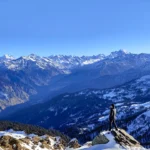
After enjoying the view and taking photos, the descent begins. The downward path is steep and requires careful steps. Trekking poles can be especially helpful here.
Shea Goru is your campsite for the night. It is located in a cold desert zone, making it one of the coldest nights of the trek. The sound of the flowing river and the vast open landscape create a magical atmosphere.
Day 5: Shea Goru to Chhatru, then Drive Back to Manali
The final day of the trek takes you from Shea Goru to Chhatru. The route is mostly downhill and passes through rocky paths and wide-open valleys. The scenery now feels dry and desert-like, offering a complete contrast to the green landscapes on the first day.
Once you reach Chhatru, vehicles wait to take you back to Manali. Depending on the weather, you travel through the Atal Tunnel or the Rohtang Pass route. Both routes offer outstanding views of the Himalayas.
By the time you return to Manali, you will realise how much beauty and adventure you have experienced in just five days. The Hampta Pass trek is the perfect mix of challenge, scenery and beginner-friendly trekking experience.
Best Time to Do the Hampta Pass Trek
The ideal time to do the Hampta Pass trek is from June to September. June and early July often have snow patches near the pass. July and August offer lush greenery and flowing streams. September usually brings clear weather and stable conditions.
Food, Stay and Safety Tips for Trekkers
During the trek, you stay in tents arranged by your trekking organisation. Meals usually include dal, rice, chapati, vegetables, soups, tea and snacks. Carry light snacks like nuts, chocolates and energy bars for extra energy.
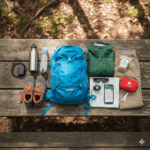
Safety is extremely important. Always stay with your group, walk at a comfortable pace and listen to your trek leader. Carry warm clothes, rain gear, a basic first-aid kit and waterproof shoes. Quick-dry clothing is helpful during river crossings.
FAQs About Hampta Pass Trek
Is Hampta Pass good for first-time trekkers?
Yes, it is considered one of the best treks for beginners due to its manageable daily distances and safe terrain.
What is the maximum altitude on this trek?
Hampta Pass sits at around 14,000 feet.
How many days are needed to complete the trek?
Most people complete it comfortably in five days.
Do you need to hire a guide?
Yes, going with a certified guide or trekking company is recommended for safety.
Can Hampta Pass be done in winter?
No. Winter conditions make the trail unsafe. Summer and monsoon months are ideal.