

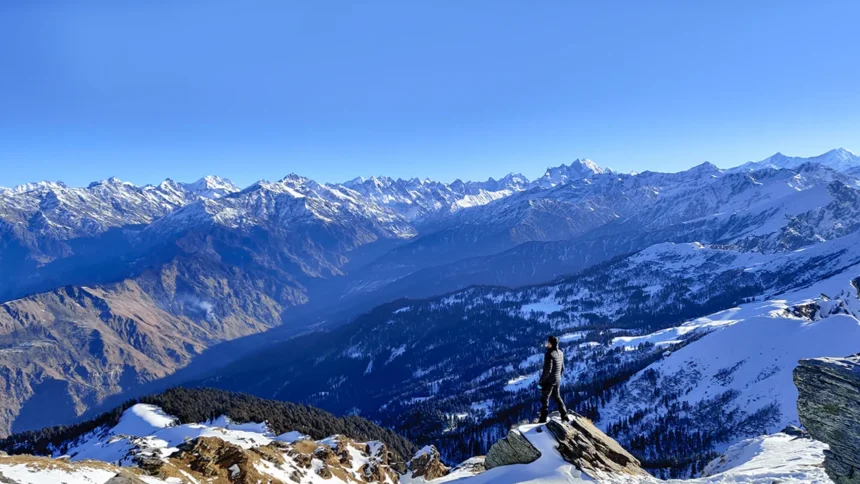
The Kedarkantha trek is one of the most popular winter treks in India, known for its snowy views, peaceful forests and a summit climb that feels both exciting and rewarding. Located in Uttarakhand, this trek attracts thousands of beginners every year because it offers great scenery without being too tough. Many people choose Kedarkantha as their first Himalayan trek because the trail is clear, the climb is manageable and the experience is unforgettable. Whether you want to see snow for the first time, explore pine forests or enjoy stunning sunrise views from the summit, this trek gives you the perfect mix of thrill and beauty. In this guide, you will learn the complete itinerary, ideal season, cost breakdown, difficulty level, packing tips and everything you should know before planning your trip.
At WhiteHatFinance.com, we help you make smart lifestyle and travel decisions, and this guide ensures that your Kedarkantha trek becomes both an enjoyable and budget-friendly experience. You can also explore more useful content on our website to stay informed and improve your financial planning habits.
What Makes the Kedarkantha Trek So Special
The Kedarkantha trek stands out because it gives trekkers a complete Himalayan experience in just four to six days. You get to walk through dense pine forests, pass through small mountain villages, experience open meadows and finally climb all the way to a 12,500-feet peak. The sunrise from the summit is the highlight of the journey. When the first rays of the sun fall on the snow-covered mountains, the entire sky turns orange and golden. Trekkers often say this moment becomes a lifelong memory. Another major attraction is the peaceful environment. Unlike crowded tourist destinations, the Kedarkantha trail offers silence, clean air and a sense of being close to nature. This makes it perfect for students, beginners and families who want a safe and scenic trekking experience.
Best Time to Do the Kedarkantha Trek
Although Kedarkantha is open for most months of the year, the best and most famous season is winter. December to March is considered the ideal period because the trail gets covered in fresh, soft snow. This makes the trek more magical and gives you a true winter wonderland experience. If you visit during December or January, you will see heavy snow, frozen campsites and breathtaking white landscapes. February and March offer slightly clearer trails and more pleasant weather while still having good snow. For trekkers who do not want cold weather, April to June is a good option too. During summer, the trail becomes greener, the forest looks fresh and the views are clear. Monsoon months, especially July and August, are not recommended because the trail becomes slippery due to rain. After the monsoon, September to November brings moderate temperatures and crystal-clear skies, making autumn another beautiful time to trek.
Kedarkantha Trek Difficulty Level
Many people choose Kedarkantha because it is known as a beginner-friendly trek. The difficulty level is generally considered easy to moderate. The trail is well-marked and the distances between camps are not very long. Even first-time trekkers can complete this trek with basic fitness. You need to walk around four to six hours a day, which is manageable for most people who walk regularly or engage in light exercise. The summit climb can feel a bit steep, especially because of the altitude, but it becomes easier when you take short breaks and maintain a slow pace. The key is to stay hydrated and take your time. Since the trail remains covered in snow during winter, trekking shoes with good grip are important. Apart from this, the trek is quite safe when done with a certified trekking company.

Kedarkantha Trek Itinerary (4–6 Days)
The itinerary for Kedarkantha usually begins from the village of Sankri, which is the base camp for the trek.
Day 1: Arrival at Sankri Village
Most trekkers reach Sankri by evening and stay overnight to rest. Sankri is a peaceful village surrounded by mountains, small shops and homestays. This day is mainly for adjusting to the mountain air and preparing for the trek.
Day 2: Sankri to Juda Ka Talab
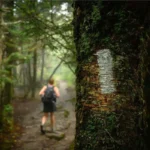
The trek officially begins on this day. You will walk through tall pine trees, open pathways and small streams. Juda Ka Talab is a frozen lake during winter, making it one of the most beautiful campsites on the trek. The walk usually takes four to five hours and offers calming forest views.

Day 3: Juda Ka Talab to Kedarkantha Base Camp
The trail gently climbs through snow-covered forests and open clearings. The base camp is located at a height where the mountain peaks become visible. Many trekkers enjoy stargazing here because the night sky is extremely clear.
Day 4: Summit Attempt and Return to Base Camp or Hargaon
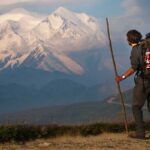
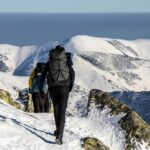
This is the most exciting day of the trek. The summit climb starts early in the morning, usually around 3 to 4 AM. Trekkers walk on a snowy trail under the stars. As the sun rises, the entire landscape lights up. The final push to the summit feels tiring but completely worth it when you reach the top. From the summit, you can see Swargarohini, Black Peak and many other Himalayan ranges. After spending some time at the top, you return to the base camp or continue to Hargaon.
Day 5: Descent to Sankri
The final stretch is a simple downhill walk through the forest. You reach Sankri by afternoon where you can rest, explore the village and enjoy local food.
Day 6: Departure
Trekkers leave Sankri and return to Dehradun or their home city. Many people also plan other nearby trips such as visiting Mussoorie or exploring Uttarkashi.
Cost of the Kedarkantha Trek
The total cost of the Kedarkantha trek depends on the trekking company you choose and the type of accommodation you prefer. On average, the cost ranges between ₹6,000 to ₹10,000 for the trek alone. This usually includes camping equipment, guide charges, meals during the trek and forest permissions. Travel to Sankri from your city is not included, so you will need to plan an additional amount for transportation. If you are coming from Delhi, the bus or taxi cost to Dehradun and further to Sankri will add around ₹1,500 to ₹3,000 depending on the mode of travel. Renting trekking gear such as jackets or shoes may add extra cost if you do not already own them. Overall, the Kedarkantha trek remains one of the most budget-friendly Himalayan treks in India, making it ideal for beginners, students and families.
Weather Conditions on the Kedarkantha Trek
The weather on Kedarkantha changes a lot based on the season. During winter, temperatures can drop to -10°C at night, especially at higher camps. Daytime temperatures stay around 5°C to 10°C. Snowfall is common between December and February, creating a beautiful but cold environment. In summer, the days become warm with temperatures between 10°C to 20°C, while nights remain cool. Autumn offers the most stable weather with clear skies, mild cold and beautiful landscapes. It is important to check weather updates before your trek so you can pack properly and stay safe throughout the journey.
Tips for a Safe Kedarkantha Trek
Even though this is a beginner trek, a few precautions can make your experience safer and more comfortable. You should drink enough water throughout the day to prevent tiredness. Good trekking shoes, warm layers and gloves are necessary for winter season. Start training one month before the trek by walking and climbing stairs to improve stamina. Always follow your trek leader’s instructions because they understand the trail better. Do not rush during the summit climb because the altitude can make you feel tired. If you experience dizziness, headache or breathing difficulty, inform the guide immediately so they can help you.
Why Kedarkantha Is Perfect for First-Time Trekkers
Kedarkantha is one of the best treks for beginners because it is safe, scenic and short. The trail is clearly marked, the daily distances are comfortable and the campsites are organised. You get to enjoy snow, forest trails and a summit view without needing advanced trekking skills. Many people who complete Kedarkantha gain confidence for future high-altitude treks. It is also beginner-friendly because it offers a well-defined rhythm with enough breaks and gentle slopes. The supportive atmosphere and the excitement of the summit make it a memorable adventure for everyone.
Final Words and CTA
If you are planning your first Himalayan trek, Kedarkantha is a great choice. It packs beautiful views, snowy landscapes and an achievable summit into a short journey. Remember to plan early, choose a reliable trekking group and prepare yourself physically. For more helpful guides, money-saving tips and practical travel planning advice, you can explore our main site at WhiteHatFinance.com. Smart planning not only saves money but also ensures a smooth and enjoyable trekking experience.
FAQs
Is Kedarkantha good for beginners?
Yes, Kedarkantha is one of the best beginner-friendly treks because the trail is simple, safe and not too long.
How many days are enough for Kedarkantha?
Four to six days are enough depending on your pace and itinerary.
What is the height of the Kedarkantha summit?
The summit is around 12,500 feet above sea level.
Does it snow at Kedarkantha?
Yes, heavy snowfall is common from December to February. This is why it is known as one of the best winter treks in India.
How much does the trek cost?
On average, the cost ranges from ₹6,000 to ₹10,000 excluding travel to Sankri.