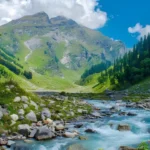


The Himalayas are a dream for anyone who loves photography. Snow peaks, calm lakes, green valleys, old villages, and colourful monasteries make the Himalayan region one of the most picture-perfect places in the world. Whether you enjoy landscape shots, wildlife photography, street photography, or travel portraits, the Himalayas offer endless opportunities throughout the year.
If you are planning a photography-focused trip, this guide will help you choose the best Himalayan destinations that offer the perfect mix of natural beauty, easy accessibility, safety, and unique visuals. Every place mentioned here is suitable for beginners as well as professional photographers.
For more Himalayan travel ideas, you can also explore Trekking Cafe, where we share detailed guides, destination lists, route plans, and travel tips to help you plan stress-free trips across India.
Why the Himalayas Are a Paradise for Photographers
The Himalayan range stretches across India, Nepal, Bhutan, and Tibet, making it one of the longest mountain chains in the world. With such scale and diversity, the region offers something special in every season.
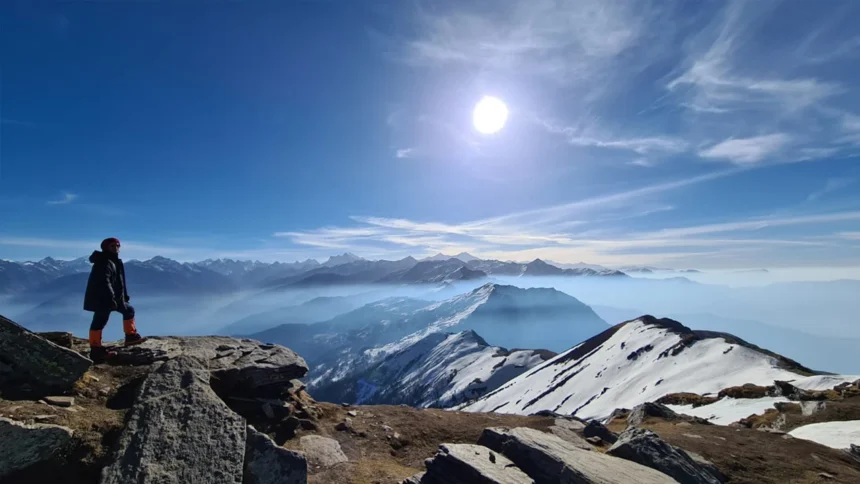
The lighting conditions in the mountains are ideal for photography. Sunrises and sunsets paint the peaks in golden shades. Winters offer crystal-clear skies after fresh snow showers. Monsoon brings lush green landscapes, rolling clouds, and dramatic mist. Autumn fills the valleys with orange and yellow leaves.
Whether you use a DSLR, phone camera, or mirrorless, the Himalayas give you the perfect natural studio where every corner can become your next masterpiece.
Best Himalayan Destinations for Photography Lovers
Ladakh
Ladakh is one of the most photogenic places in India. Located in the northernmost part of the Himalayas, the region offers a mix of mountains, deserts, monasteries, blue lakes, and open skies. The landscapes look different at every hour because of the changing light.
Photographers love visiting Pangong Lake, Nubra Valley, Tso Moriri, Magnetic Hill, Lamayuru, and Hemis Monastery. The contrasting colours of the blue lakes, beige mountains, and white snow make Ladakh a dream location for wide-angle shots. It is also great for night photography because of its low light pollution.

Spiti Valley
Spiti Valley is another favourite destination for photography lovers. Located in Himachal Pradesh, it is known for its dramatic terrain, high-altitude villages, ancient monasteries, and peaceful surroundings.
Key Monastery, Chicham Bridge, Langza, Hikkim, Komic, and Dhankar Lake are some of the most photographed spots. The giant Buddha statue in Langza with snow peaks behind it is a signature shot for many travellers. Spiti’s barren mountains, deep canyons, and blue skies make the valley perfect for landscape and portrait photography.
Kashmir Valley
Kashmir is often called the Switzerland of India, and for good reason. Its green meadows, calm lakes, colourful gardens, and snow-covered mountains make every photo look beautiful. Dal Lake, Sonamarg, Pahalgam, Gulmarg, Gurez Valley, and Tulip Garden are the top spots for photographers.
You can capture reflections of mountains in the lake, floating markets, wooden houseboats, pine forests, and winter snowfall. Spring is great for flower photography, while winter is ideal for snow shots.
Sikkim
Sikkim is a small Himalayan state with a big variety of landscapes. From snow peaks to tea gardens to monasteries, it has everything a photographer needs. The highlight of Sikkim photography is the view of Mount Kanchenjunga, the third-highest mountain in the world.
Gurudongmar Lake, Zero Point, Lachung, Lachen, Pelling, Namchi, and Ravangla are among the best places to shoot. The monasteries of Sikkim also offer colourful and peaceful settings perfect for cultural photography.

Meghalaya
Though not traditionally counted in the Himalayan range, Meghalaya is still a part of the Eastern Himalayan region and offers breathtaking landscapes. This is one of the best destinations for waterfall photography. With lush forests, living root bridges, misty mountains, and crystal-clear rivers, Meghalaya looks magical in every season.
Cherrapunji, Mawlynnong, Dawki River, Nohkalikai Falls, Seven Sisters Falls, and Laitlum Canyon are great spots for capturing mist, clouds, and natural beauty.
Uttarakhand’s Kumaon Region
Kumaon is one of the greenest and most peaceful parts of the Himalayas. It is full of quiet villages, terraced fields, lakes, and panoramic mountain views. Photographers love visiting Nainital, Mukteshwar, Almora, Kasar Devi, and Binsar. The sunrises here are some of the best in India, with pink and golden colours lighting up the mountain ranges.
Binsar Wildlife Sanctuary is ideal for bird photography and wildlife lovers. In winter, the region looks straight out of a postcard when it receives light snowfall.
Himachal Pradesh’s Tirthan and Great Himalayan National Park
For nature and wildlife photographers, the Tirthan Valley and GHNP region are perfect. These areas are rich in forests, rivers, meadows, and dense wildlife, including Himalayan birds, butterflies, and rare species.
Tirthan is peaceful, less crowded, and full of greenery, making it ideal for macro photography and forest shots. The riverside is perfect for long-exposure photography.
Ziro Valley, Arunachal Pradesh
Ziro Valley is a UNESCO World Heritage Site and a beautiful Himalayan highland known for its rice fields, bamboo homestays, and tribal culture. Photographers love the soft golden light that falls on the valley during sunrise and sunset. The Apatani tribe, their lifestyle, traditional homes, and festivals give wonderful portrait opportunities.
The rolling fields, low clouds, and pine forests make Ziro one of the most peaceful and photogenic destinations in the Northeast.
Tips for Better Himalayan Photography
Use Early Morning and Evening Light
The natural light in the early morning and late evening is the best for photography. The soft golden shades create dramatic and magical images. Midday light is harsh, so try to avoid harsh shadows unless you want a specific effect.
Carry Extra Batteries and Memory Cards
Cold temperatures in the Himalayas drain batteries very fast. Always carry extras. Memory cards may fill quickly because the landscapes are irresistible, so it’s good to keep backups.
Keep Your Camera Safe from Weather
The Himalayas can be windy, snowy, or rainy depending on the season. Use a weather sleeve or waterproof bag for safety.
Respect Local People and Wildlife
Always ask before taking portraits of villagers or monks. Avoid disturbing wildlife. Responsible photography helps protect the Himalayan environment.
Plan Your Himalayan Photography Trip With Trekking Cafe
If you want personalised suggestions, easy itineraries, travel guides, and hidden photography spots, you can explore Trekking Cafe for more destination-based travel articles. You can also find easy routes, weather tips, and safe travel advice. To plan your next Himalayan trip, visit Trekking Cafe and start exploring places that match your travel style.
FAQs
Which is the best Himalayan destination for photography beginners?
Ladakh and Kashmir are great for beginners because they offer easy accessibility, good safety, and a wide variety of landscapes to practice different types of photography.
What is the best season for photography in the Himalayas?
Autumn and summer give the clearest views, while winter offers snow landscapes. Monsoon is best for cloud and mist shots in places like Meghalaya.
Can I take good photos with a phone camera in the Himalayas?
Yes. Modern phones capture amazing photos, especially in good natural light. Many travellers capture stunning shots using mobile cameras.
Is it safe to travel with camera equipment in the Himalayas?
Yes, the Himalayas are generally safe. Just keep your equipment inside a padded bag and avoid leaving it unattended in crowded places.
Which Himalayan place is best for night sky photography?
Ladakh, Spiti, and parts of Uttarakhand like Chopta offer dark skies that are perfect for Milky Way and star trails.