

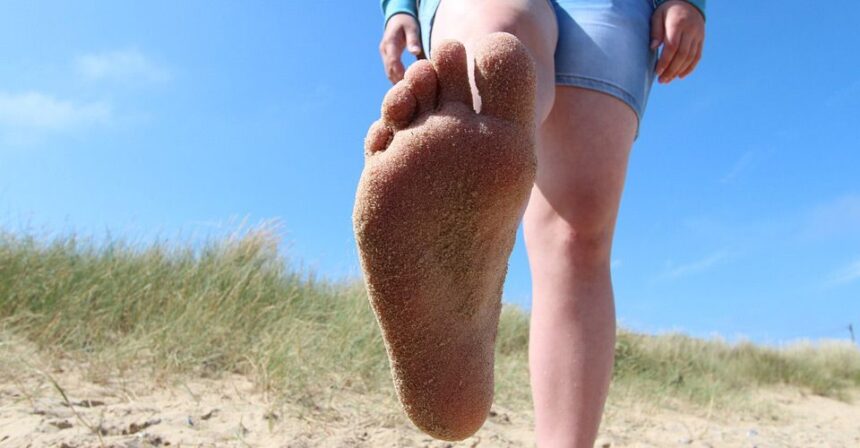
Hiking is fun, relaxing, and one of the best ways to explore nature, but nothing can ruin a beautiful trail faster than painful blisters. These small pockets of fluid usually form due to friction, heat, and moisture inside your shoes. Once they appear, every step becomes uncomfortable. The good news is that preventing blisters while hiking is completely possible, even for beginners. With a bit of preparation, the right gear, and smart foot-care habits, you can enjoy a long hike without worrying about sore feet. This guide explains simple and effective tips that actually work, especially for new hikers who want safe, pain-free adventures.
Before we go further, remember that taking care of your body is also a financial habit. A small injury can lead to medical bills, treatments, and even missed work days. At WhiteHat Finance, we always remind readers that smart life decisions help you save money in the long run. You can explore more helpful guides on our main page at WhiteHatFinance.com.
Why Blisters Happen While Hiking
Blisters mainly occur because of friction. When your skin rubs against your socks or the inside of your shoes repeatedly, the upper layer of skin begins to separate. Your body then fills the gap with fluid, forming a blister. Heat and moisture make the problem worse. When your feet get warm or sweaty, the skin becomes softer and more sensitive, increasing the chance of rubbing and irritation.
Many hikers believe that blisters only happen to beginners, but even experienced trekkers face them if they ignore basic footcare. The wrong socks, poorly fitted shoes, and lack of foot preparation are the main reasons blisters appear. The key is to prevent friction before it starts, and that begins before you even step on the trail.
Choose the Right Hiking Shoes for Your Feet
Wearing the right shoes is the most important step in preventing blisters. Shoes that are too tight squeeze your feet, while shoes that are too loose allow unnecessary movement. Both situations create friction.
When choosing hiking shoes, walk around the store with them for several minutes. Make sure there is enough space in the toe box so your toes can move freely. Your heel should stay in place while walking, with very little lift. If the heel keeps slipping up and down, blisters will soon follow.
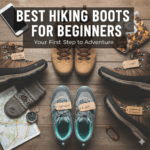
Many hikers prefer trail shoes because they are lightweight, breathable, and comfortable for long walks. However, some prefer hiking boots for better ankle support. Whatever you choose, test the shoes on small walks near your home before taking them on a long hike. This gives your feet time to adjust and helps you understand if there are any tight spots.
Break In Your Shoes Before the Hike
Even the best hiking shoes can cause blisters if they are brand new. Breaking in your shoes simply means wearing them for short walks until they start fitting your foot shape naturally.
Wear your hiking shoes around the house for a few days. Then use them for a quick walk in your neighbourhood. Slowly increase the distance over several days. This helps the shoe’s fabric soften, reduces stiffness, and makes your feet comfortable inside them. Never wear brand-new shoes on a full-day hike unless you want painful blisters.
Pick the Right Socks for Hiking
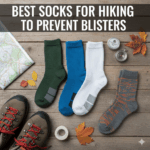
Socks are just as important as shoes when it comes to preventing blisters. Cotton socks are comfortable for daily use, but they are not suitable for hiking. Cotton absorbs sweat and stays wet, which softens your skin and increases friction.
Instead, choose moisture-wicking socks made from materials like merino wool or synthetic fibres. These keep your feet dry and reduce the heat inside your shoes. Many hikers use double-layer socks, where the inner layer and outer layer rub against each other instead of rubbing directly against your skin. This simple trick significantly lowers the chance of blisters.
Make sure your socks are not too loose or too tight. Ill-fitting socks can bunch up or slip inside your shoes, creating more friction.
Keep Your Feet Dry at All Times
Moisture is one of the biggest reasons for blisters. When your skin becomes damp, it becomes softer, making it easier to rub and tear. To prevent this, keep your feet as dry as possible throughout your hike.
At the start of your hike, apply foot powder or anti-chafing cream. These products reduce sweat and keep the skin smooth. If your socks get wet from rain, sweat, or water crossings, change them immediately. Carrying an extra pair of socks may feel like extra weight, but it can save your entire hiking experience.
Whenever you take a break on the trail, remove your shoes and let your feet breathe for a few minutes. This cools down your skin, reduces sweat, and feels refreshing.
Use Blister Prevention Tapes or Pads
If you already know that certain parts of your feet are sensitive, protect them before starting the hike. You can use blister tapes, moleskin pads, or gel pads. These create a protective layer so the skin does not rub directly against your shoes.
Apply the tape smoothly without wrinkles, because even small folds can cause irritation. Make sure the tape sticks firmly and covers the entire hotspot area. It is a good idea to practice applying them at home so you know how to use them properly during a hike.
Keep Your Toenails Trimmed
Long toenails may not seem like a problem, but they can cause extra pressure inside your shoes, especially during downhill sections. This pressure can push your toes forward and increase friction, which leads to blisters. Cutting your toenails a day or two before hiking helps prevent discomfort and keeps your feet safer.
Adjust Your Laces the Right Way
Many hikers overlook the importance of proper lacing. Shoes that are laced too tightly can create pressure points, while loose laces make your foot slide inside the shoe.
Before starting your hike, tie your laces in a way that keeps your foot stable but not squeezed. You can tighten the laces around the ankle and keep the top section slightly looser. Adjust the fit during your hike whenever you feel discomfort. A small adjustment can prevent a big blister.
Take Breaks and Check Your Feet Often
One of the best ways to prevent blisters is to catch the early warning signs. If you feel any rubbing, burning, or unusual heat on your feet, stop immediately. Do not ignore it. These sensations usually appear before a blister forms.
During your break, remove your socks, let your feet cool down, and check for redness. If you see any irritated areas, cover them right away with tape or pads. The earlier you fix the problem, the easier it is to prevent blisters.
Strengthen Your Feet Over Time
Just like the rest of your body, your feet also need strength and endurance. If you hike only once in a while, your feet may not be used to long hours of walking. Start with short hikes and slowly increase your distance. Walking barefoot at home for a few minutes each day can also improve foot strength.
Stronger feet mean less friction and better balance, lowering the chances of blisters.
What to Do If You Still Get a Blister
Even with all the precautions, sometimes a blister still forms. If it is small and not painful, leave it untouched. The skin protects the area from infection. But if the blister is large and painful, you may need to drain it gently.
Use a clean needle and carefully poke from the side, not the top. Press out the fluid, clean the area, and apply antiseptic cream. Cover the spot with a sterile bandage and keep it protected.
If the blister looks infected, swollen, or filled with pus, seek medical help right away. Health issues should never be ignored, and quick action can prevent bigger problems.
For more helpful guides like this, you can always visit WhiteHatFinance.com for practical lifestyle tips that protect your health and finances.
FAQs
What causes blisters during hiking?
Blisters are caused by friction, heat, and moisture. When your skin rubs repeatedly against your socks or shoes, it becomes irritated and forms a fluid-filled bubble.
Are hiking socks necessary to prevent blisters?
Yes, hiking socks made from moisture-wicking material help keep your feet dry and reduce friction, which prevents blisters.
Should I pop a blister while hiking?
If it is small and not painful, leave it alone. If it is large or painful, drain it carefully and keep it clean. Seek medical attention if it looks infected.
Can new hikers avoid blisters completely?
Yes, with the right shoes, socks, footcare, and preparation, even beginners can enjoy blister-free hikes.
How many socks should I carry on a long hike?
Carry at least one extra pair, especially if you are hiking in wet or hot conditions.